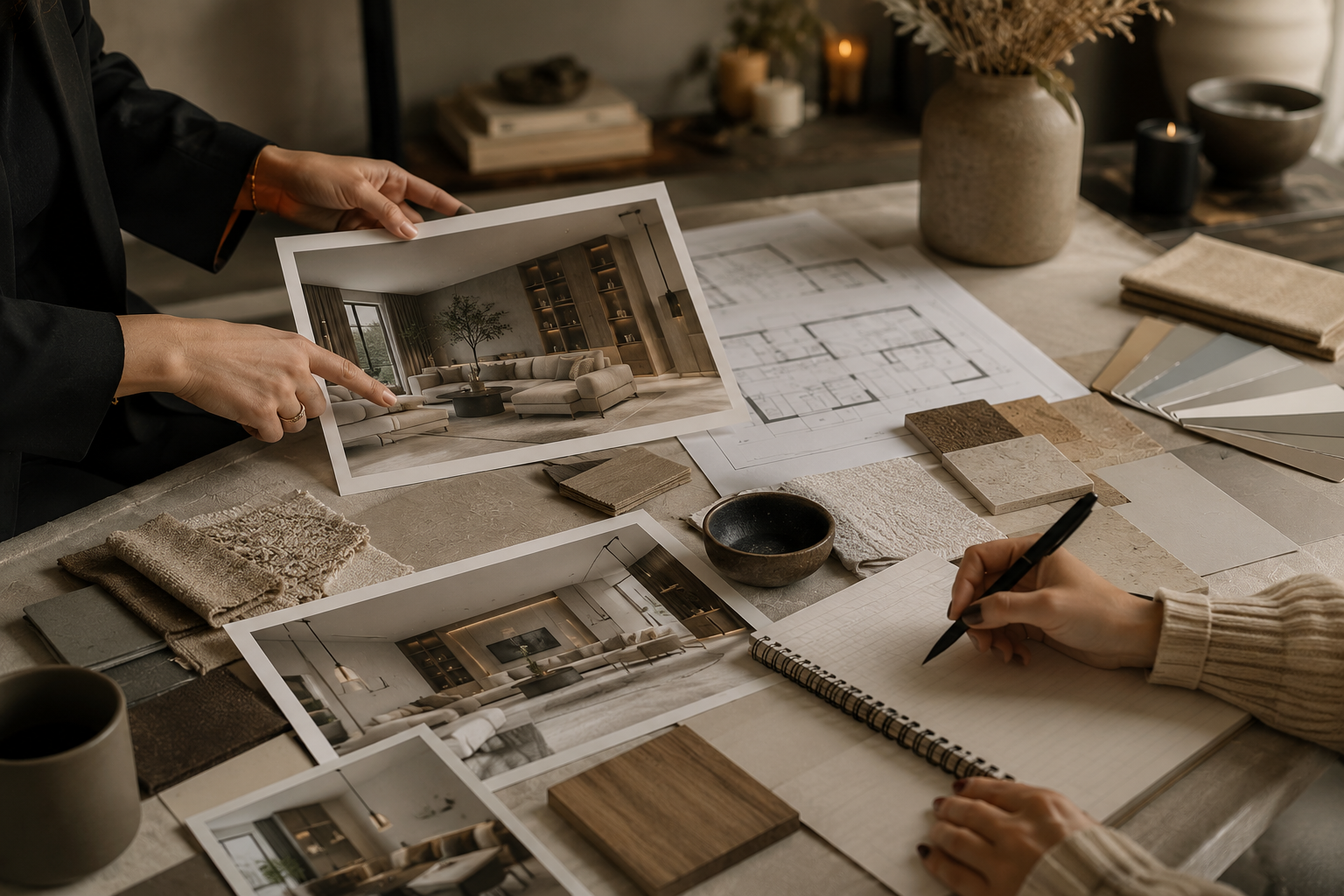
10 Interior Design Mistakes to Avoid at Home
Practical changes to make your rooms feel more comfortable and considered.
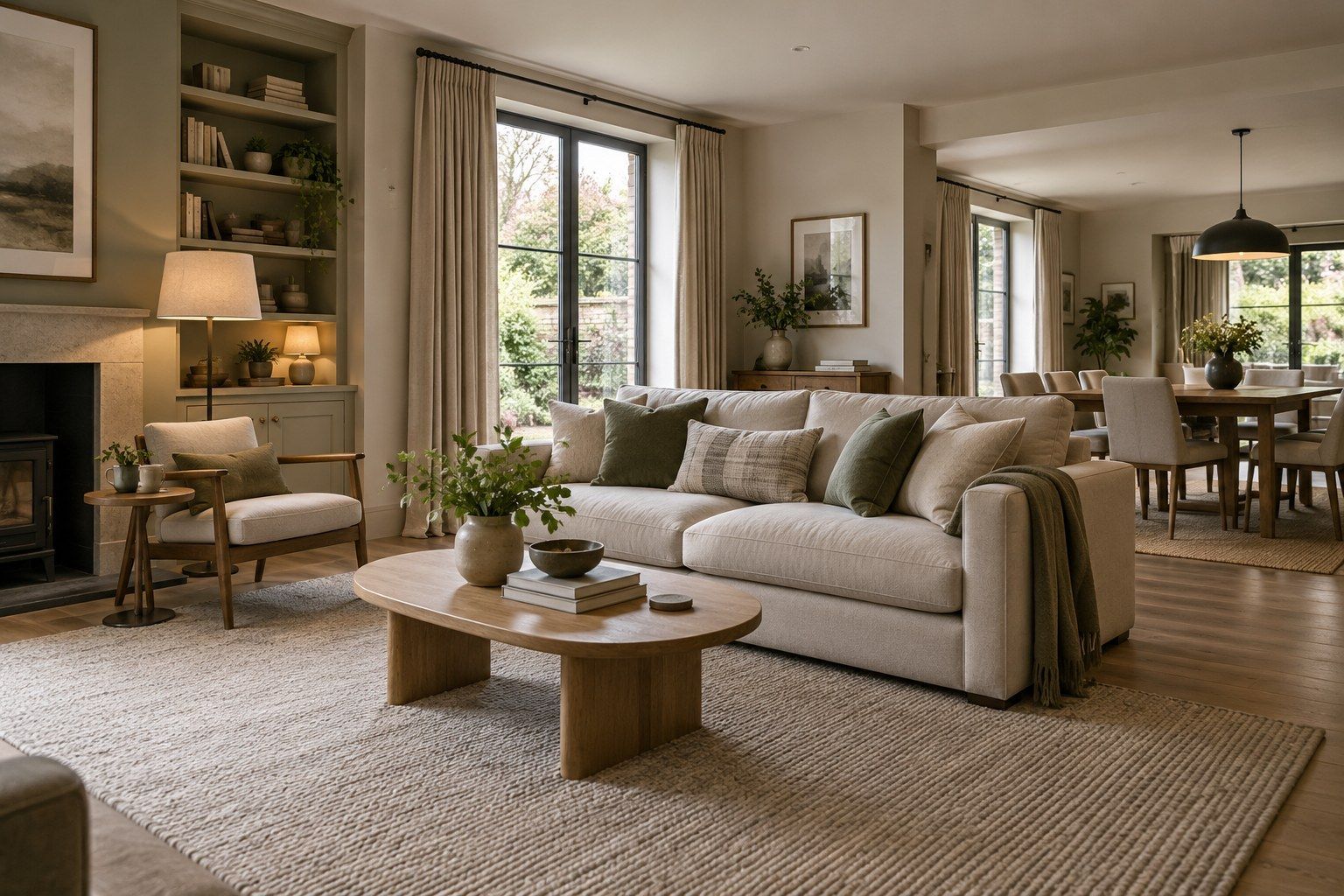
A room can contain lovely furniture and still feel uncomfortable or unfinished. Often the issue is how the pieces relate to the space: their scale, the lighting, the routes through the room or the way everyday belongings are stored. You do not need to replace everything to make progress. Start by noticing what gets in the way of enjoying your home.
1. Buying furniture before checking the layout
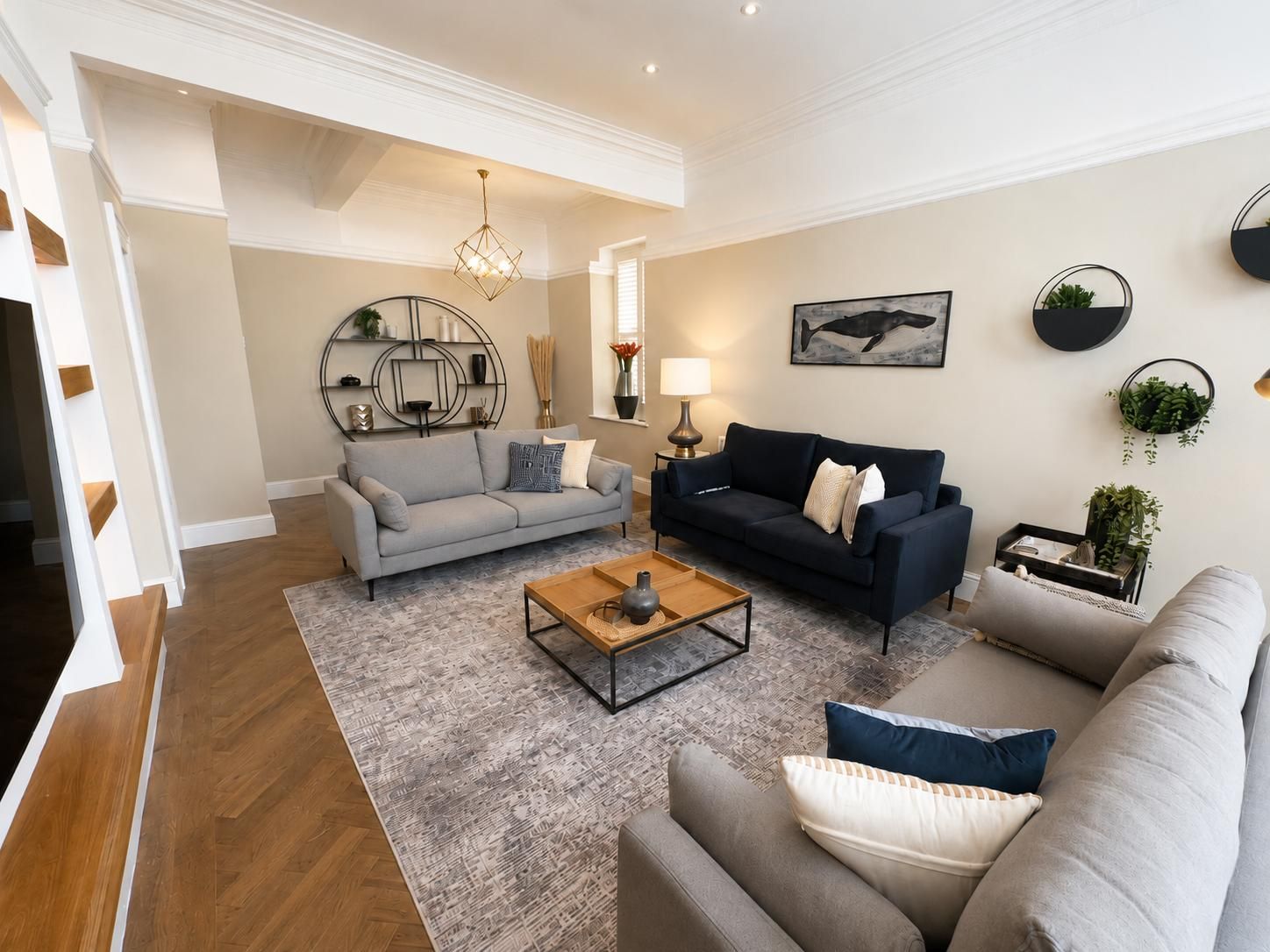
A sofa that fits against a wall may still block a doorway or leave too little space around a coffee table. Measure the room, doors, windows, radiators and existing pieces before shopping. Mark proposed furniture footprints on the floor and try your usual routes through the space. Check delivery access too. Our sofa planning guide explores comfort and scale in more detail.
2. Choosing a rug separately from the seating
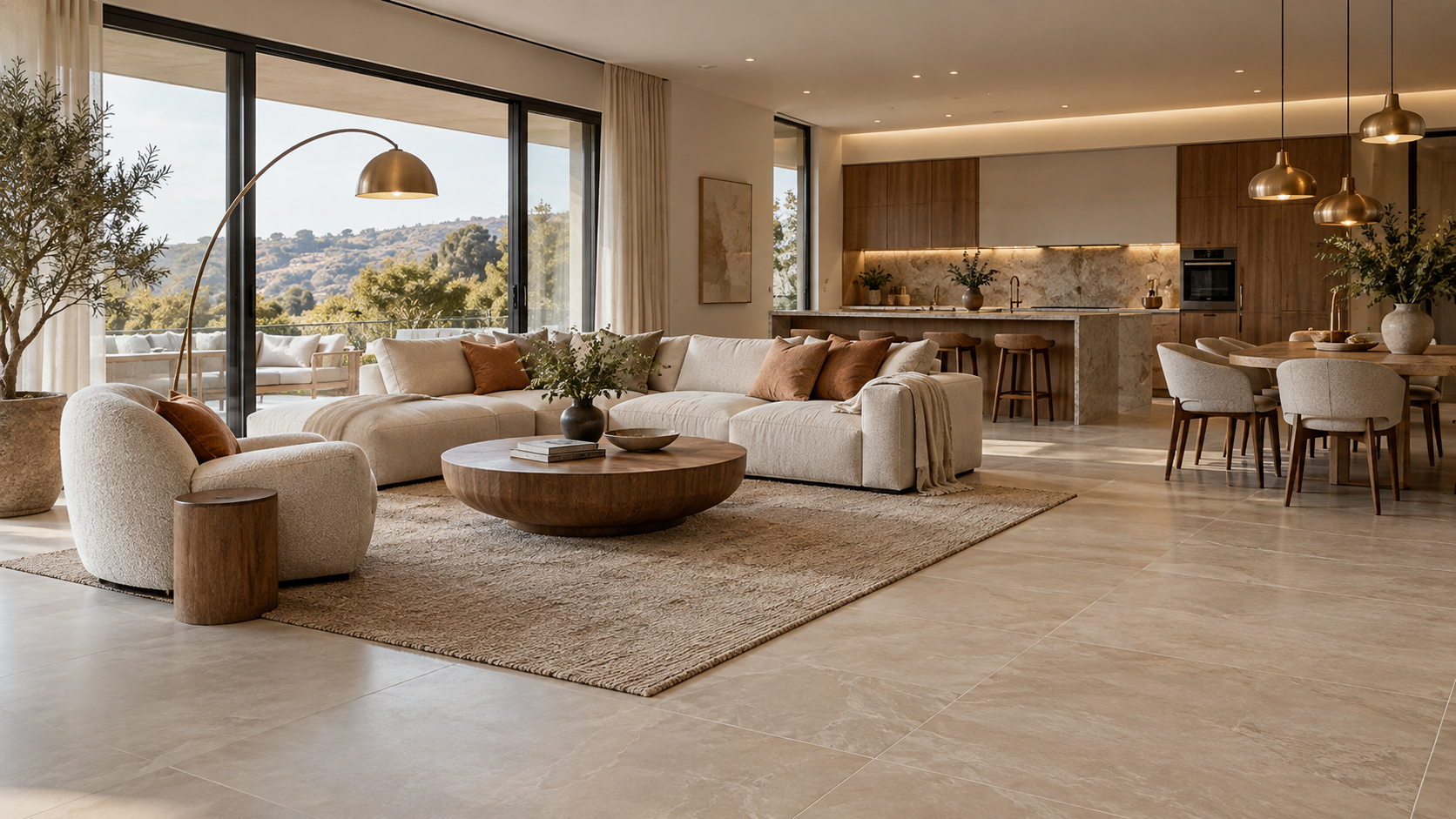
A small rug floating between large pieces can make a seating area feel disconnected. Consider the whole grouping, including chairs and side tables, when choosing its size. Having the front legs of seating on the rug is one useful starting point, rather than a rule for every room. Check door clearance, edges and how easily the rug can be cleaned.
3. Relying on one ceiling light
The light needed for reading or preparing a meal is different from the light you want for a relaxed evening. Plan useful task lighting alongside general illumination and softer lamps. Look at glare from your usual seats, not just how attractive a fitting looks switched off. Read our home lighting guide before deciding where lamps and controls belong.
4. Picking finishes without seeing them together
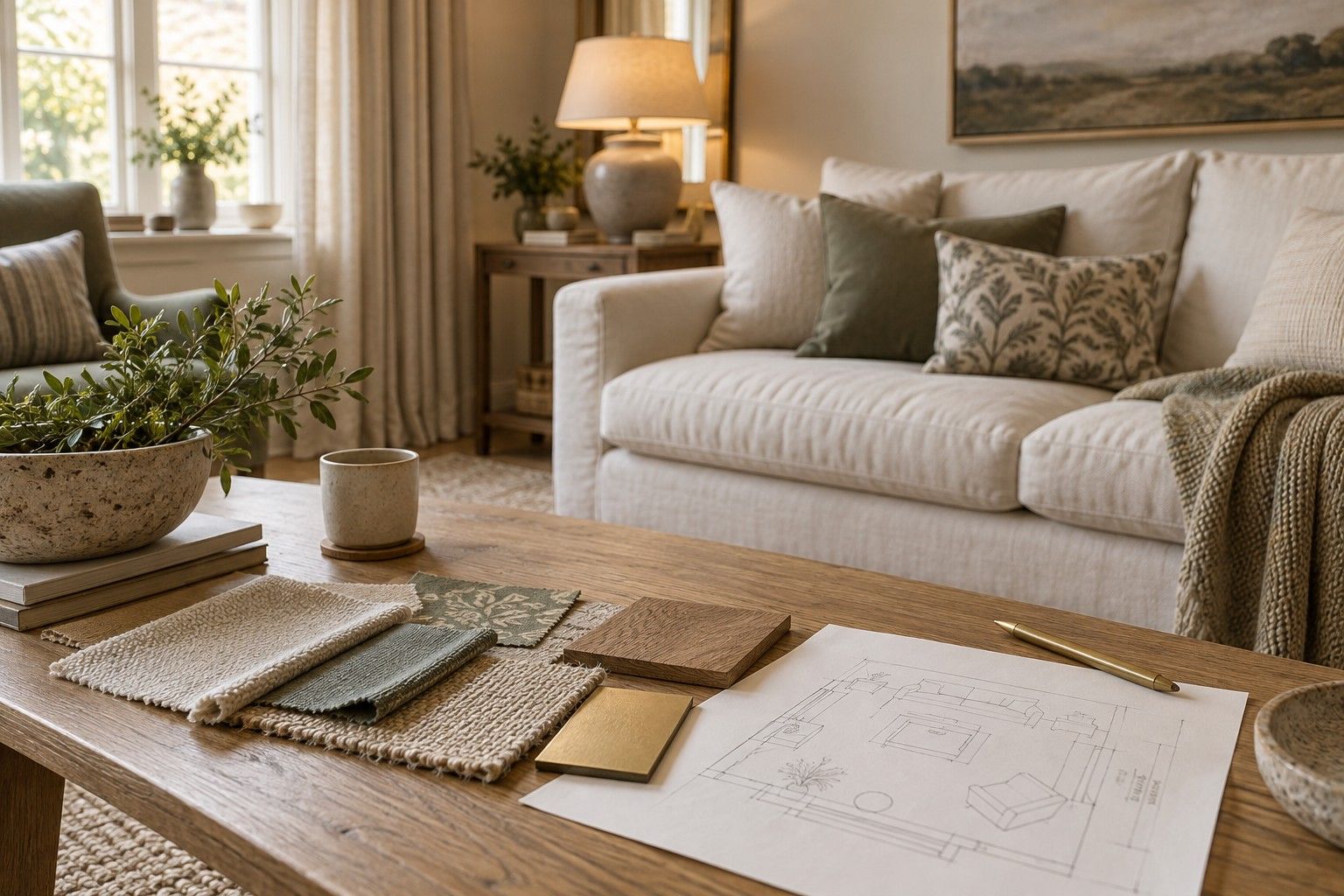
A paint colour, fabric and timber finish may each look appealing in isolation but feel different when combined. Put physical samples beside the pieces you are keeping and view them in your room during the day and evening. Our materials and finishes guide explains how to compare colour, texture and practical care needs.
5. Matching everything or mixing without a connection
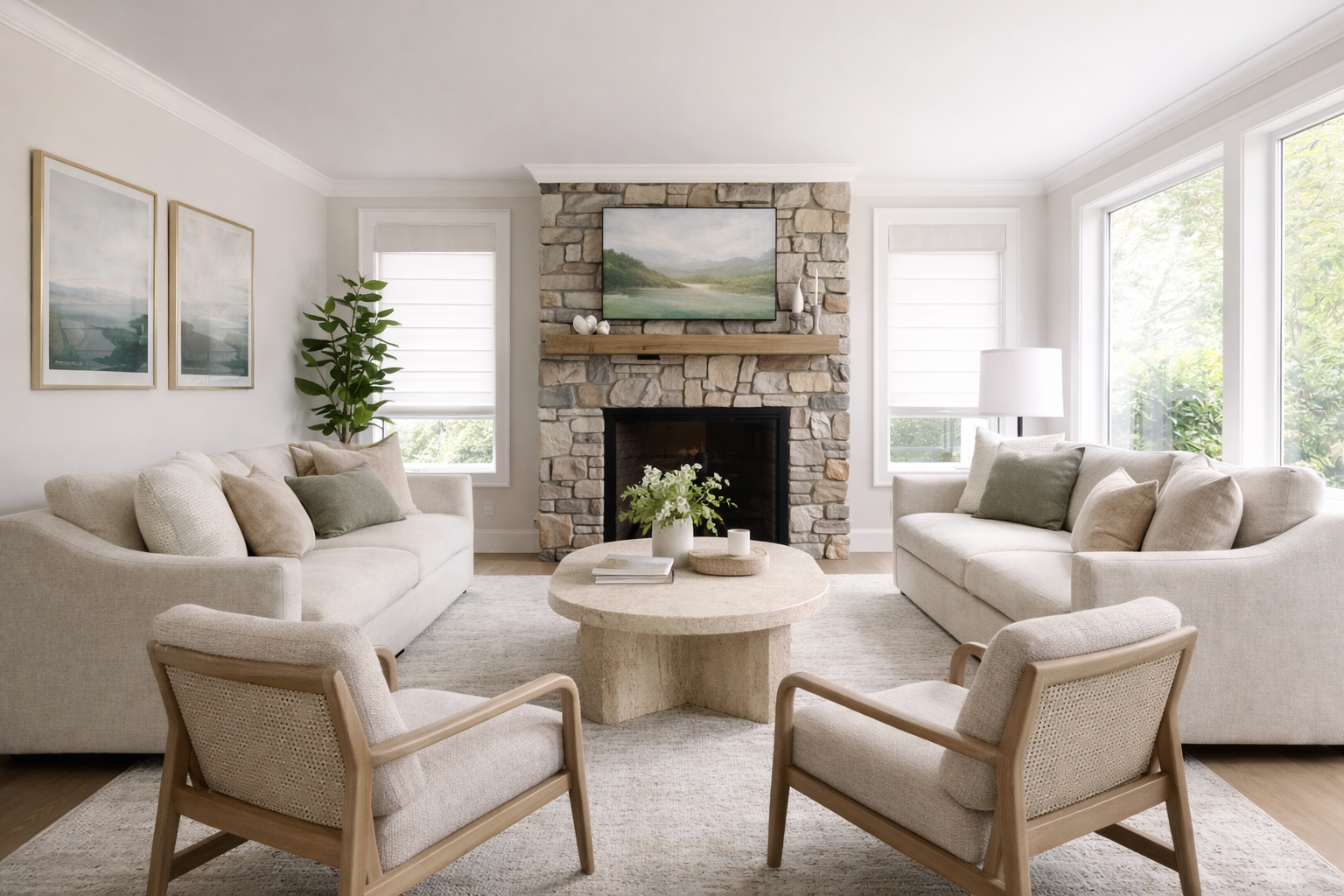
Matching furniture is not inherently wrong, and an eclectic home can be beautiful. The difficulty comes when a scheme has no variation or no relationship between its choices. Repeat a colour, material or shape across different pieces, then introduce contrast thoughtfully. Keep furniture you love and use it as part of the starting brief rather than assuming it must go.
6. Treating storage as an afterthought
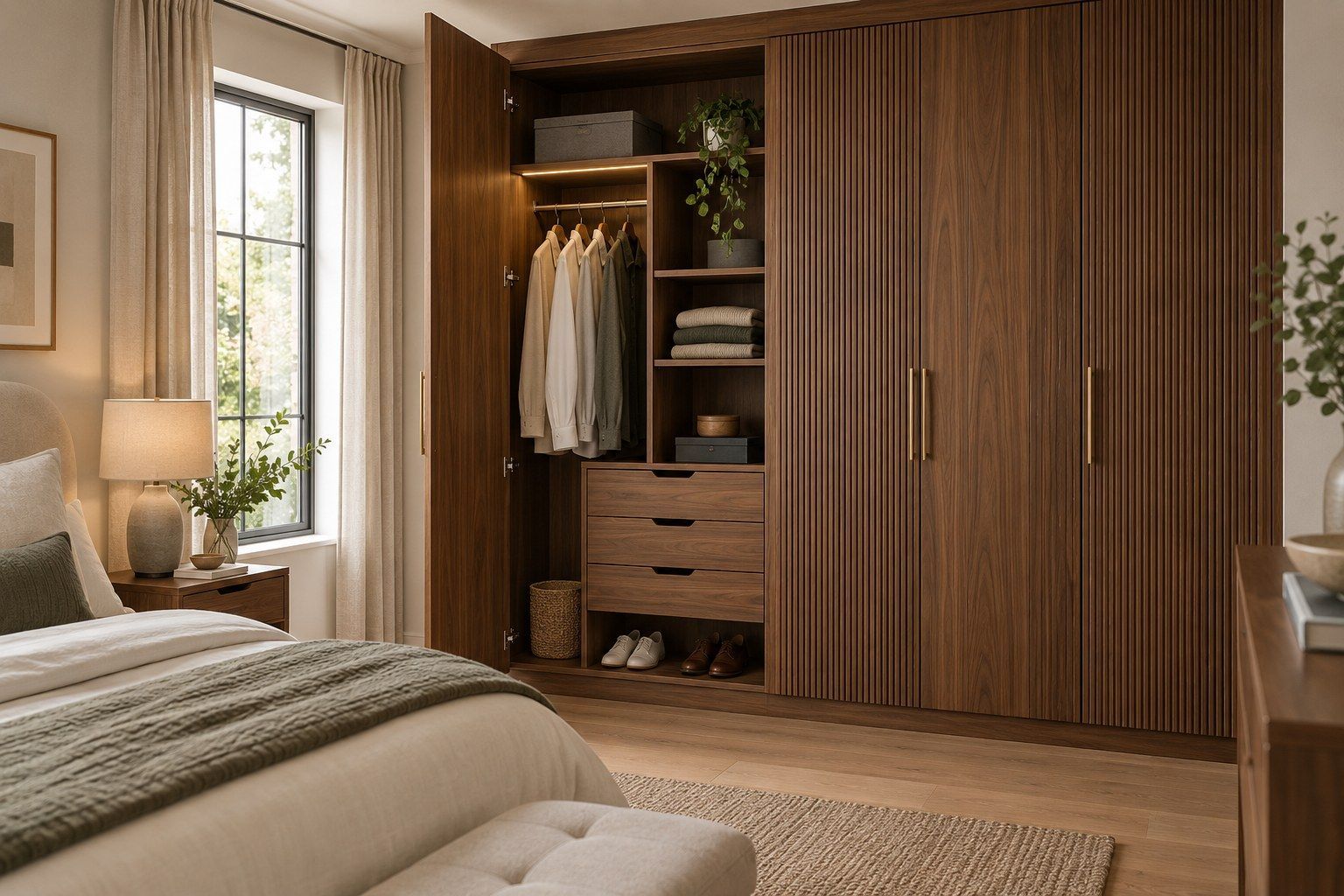
Styling cannot solve a lack of space for the things you use every day. Identify what needs to be nearby, what can be stored elsewhere and what you want to display. Closed storage can sit alongside open shelves so a room feels personal without every surface working as a cupboard. Leave space for the way your household actually lives.
7. Hanging artwork without considering the room
Artwork should relate to the wall, nearby furniture and the position from which it will be seen. A single fixed hanging height will not suit every piece, ceiling or seating arrangement. Use paper templates to try a grouping before fixing it. Consider the overall outline of several pictures and check safe fixings for the artwork and wall construction.
8. Choosing window treatments only for their appearance
Privacy, daylight, glare and sleep matter alongside fabric and colour. Check how curtains or blinds operate around radiators, furniture and opening windows. Measure for the actual fitting and lining you intend to use; avoid ordering from an approximate window size. A simple, well-fitted treatment may suit the room better than extra layers that obstruct it.
9. Adding accessories before the main decisions work
More cushions and ornaments rarely fix an awkward layout. Resolve the seating, useful surfaces and lighting first, then add pieces with a purpose or personal connection. Give favourite objects room to be seen. For compact rooms, our small living room guide looks at making better use of the space you already have.
10. Following a trend that does not suit your life
An inspiration photograph is a starting point, not a complete brief. Ask whether its seating, finishes and arrangement would work for your household. Keep the colours and details you enjoy, but adapt them to your room and routines. A home should feel like yours, rather than an exact copy of someone else’s scheme.
Where to start with your own home
Choose one room and write down three things that work and three that do not. Photograph it, measure it and list the pieces you want to retain. This makes the next decision clearer and helps avoid buying replacements before you understand the problem.
Chris and Jenny at Genesis Interior Stylists help homeowners in Blackburn and across Lancashire bring layouts, furniture and styling together. Explore our residential interior design service or tell us about your rooms. You can also call Chris on 07450 260777.
Frequently asked questions
Do I need new furniture to improve a room?
Not necessarily. Rearranging existing pieces, improving lighting or choosing a more suitable rug can help. Start with what you enjoy and what still works, then decide where a change would make a useful difference.
Should every room in a home match?
Rooms can have their own character while sharing a few colours, materials or details. Consider the views between connected spaces, rather than requiring identical furniture or finishes throughout.
Can an interior designer help with just one room?
Start by explaining the room and the support you need. The scope may involve layout, furniture choices, finishes or a combination. Agree the work, deliverables and fees before proceeding.