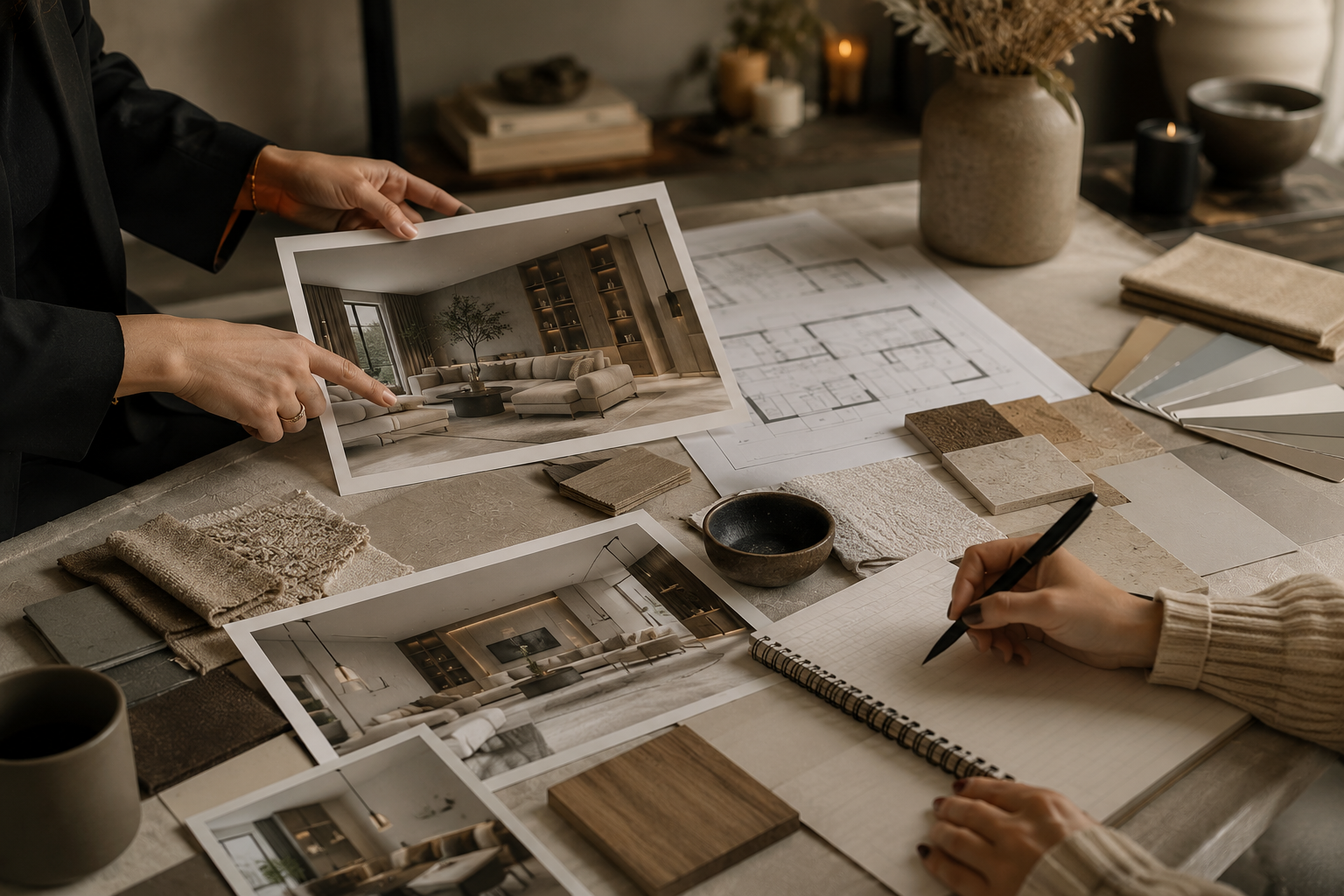
Is Hiring an Interior Designer Worth It? Honest Guide UK
How to assess the support, scope and practical value of interior design for your home.
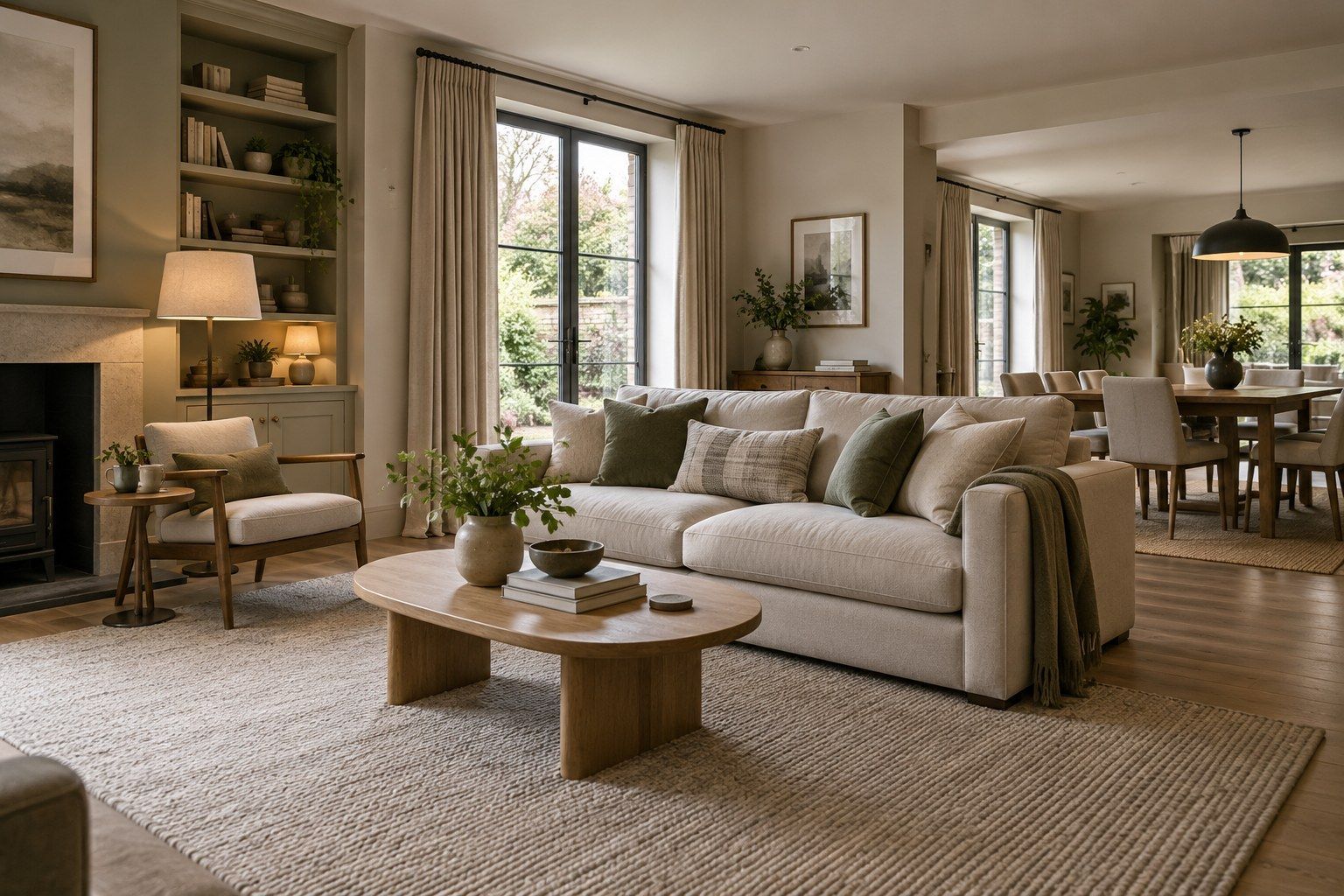
Hiring an interior designer can be worthwhile when you need help connecting the many decisions in a home: the layout, furniture, materials, lighting and finishing details. The value depends on the support you need, the agreed scope and how you prefer to manage the project. It is not an automatic guarantee of savings or a perfect result.
For homeowners in Blackburn and Lancashire, a useful first step is to identify what feels difficult. Perhaps several rooms need to work together, you are moving into a new home, or you have bought individual pieces without a clear plan. A good conversation begins with those practical questions, alongside the look you enjoy.
What support are you actually looking for?
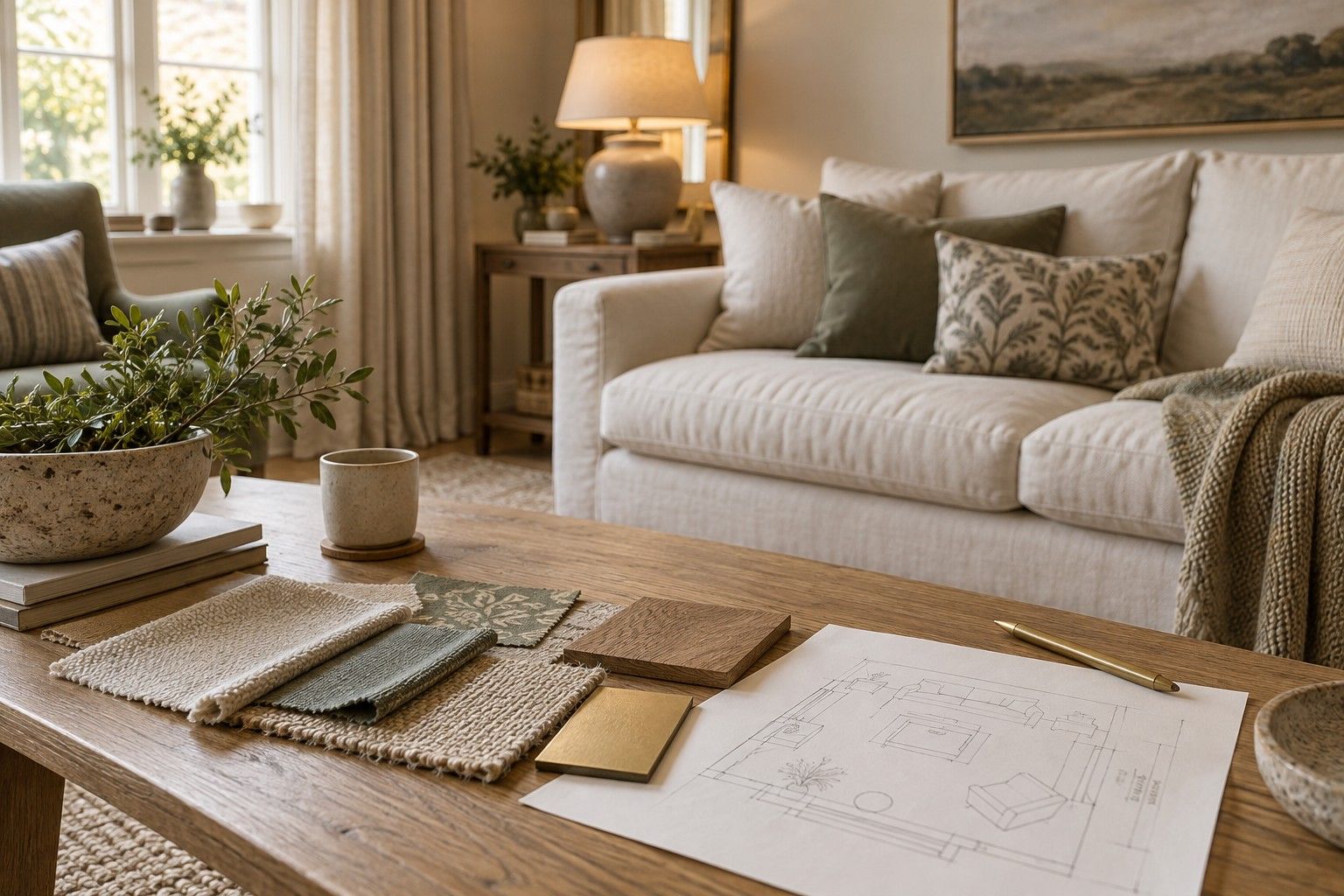
Interior design and styling services vary. One proposal may focus on furniture and finishing details; another may include layout options, concepts, material selections and support with sourcing. Do not assume the same tasks are included simply because two providers use the same job title.
Ask what you will receive, how decisions are presented and where the service ends. Structural changes, building approvals and specialist installation may need separately appointed professionals. Our residential interior design service gives you a starting point for discussing your home and the kind of help you want.
When professional help can make a useful difference
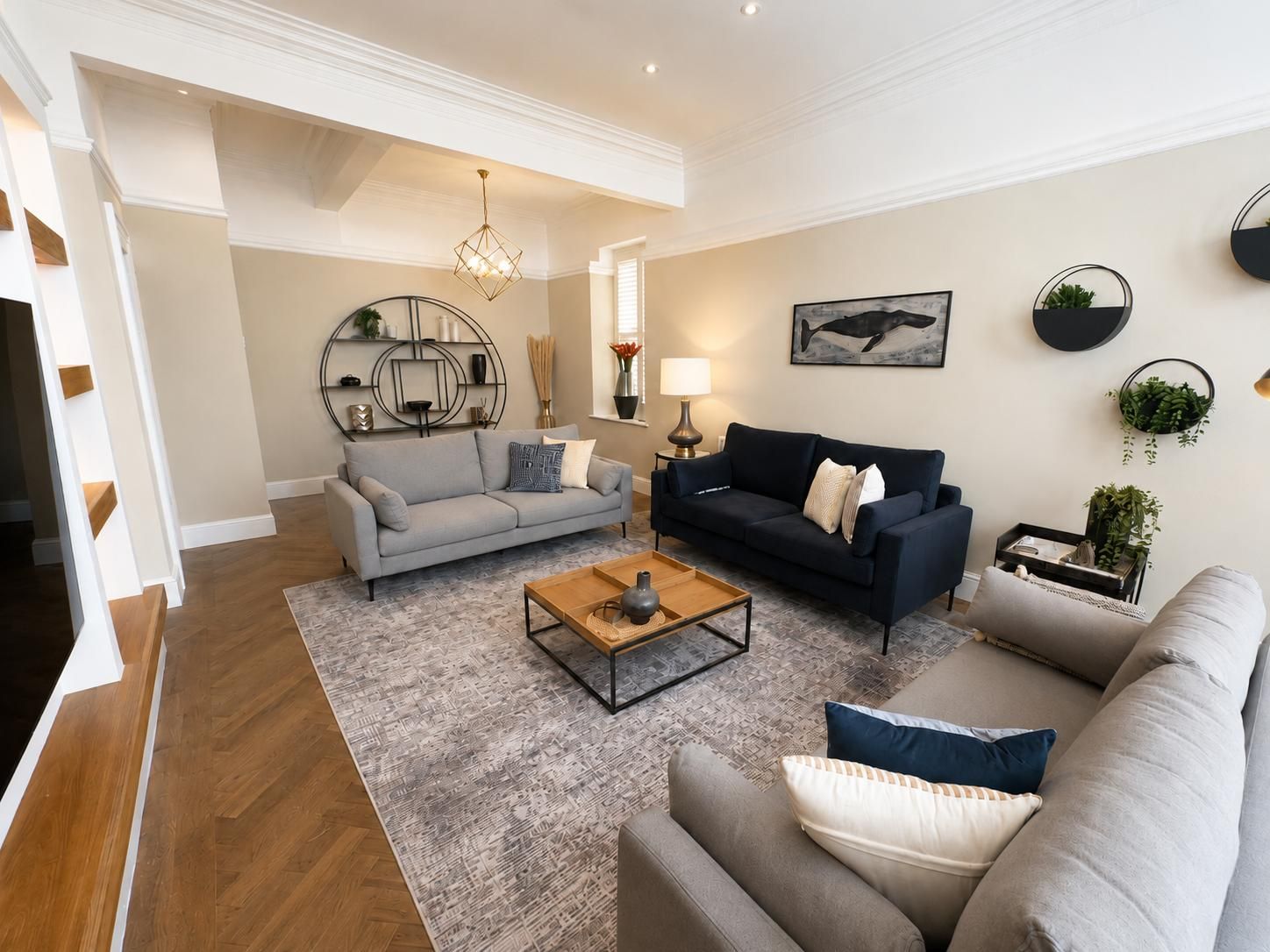
Design support is especially useful when decisions affect one another. A sofa selection changes the seating layout; that layout affects lighting positions and the relationship with a dining space. Looking at them together can reveal an awkward choice before an order is placed.
A wider project also needs priorities. Which rooms must work first? Which existing pieces will stay? What needs ordering early, and what can wait? Our full-home planning guide explains how to prepare a brief before making individual purchases.
Could a smaller amount of support be enough?
You may enjoy sourcing furniture yourself but want help testing a layout or bringing a palette together. Equally, a room may need a few considered changes rather than a complete refurnishing. Explain this at the outset and ask whether a focused scope is available.
Keep the pieces you like and be clear about what already works. A useful design brief includes the people using the room, daily routines, storage needs and items you want to retain. Our guide to common interior design mistakes can help you identify the practical issues first.
Compare the complete proposal, not just the fee
Ask for a clear written scope and understand how fees are charged. Confirm which rooms, drawings, selections, meetings and revisions are included. Discuss any additional sourcing, delivery, installation or styling costs relevant to the proposal, and how changes to the brief would be agreed.
Keep design fees and the furnishing allowance visible within the overall plan. There is no useful universal price for every home: room count, complexity and the agreed level of support all matter. Comparing proposals becomes easier when each provider is responding to the same brief.
Be clear about purchasing and trade pricing
If furniture sourcing forms part of the service, ask who places orders, who receives payment and how prices are presented. Clarify whether any trade discount is passed on, retained or included within the pricing arrangement. Do not assume every item will cost less than retail or that discounts will cover the design fee.
Confirm product details, lead times, delivery access and who handles queries or problems before ordering. These practical arrangements matter as much as the initial selection. For a key purchase, our sofa planning guide provides a helpful pre-order checklist.
How to judge whether the approach suits you
Look for relevant project examples and a clear explanation of the process. Ask how your preferences and feedback shape the scheme, rather than choosing only because you like one photograph. Discuss how the designer balances your existing furniture with new selections and practical needs.
A strong working relationship needs clarity on both sides. Bring photographs, approximate measurements and a few references you like, including anything you definitely want to avoid. Be realistic about your decision-making time and explain any target dates before the scope is agreed.
Questions to ask before starting
What deliverables are included? How many stages of feedback are allowed? Who checks measurements before manufacture or ordering? How are purchases, delivery and installation handled? What happens if the brief changes? Getting these answers early helps you decide whether the proposal meets your needs.
Talk through your home with Genesis
Chris and Jenny help homeowners in Blackburn, the Ribble Valley and across Lancashire bring layouts, furniture and styling together. Book a free design consultation to discuss what you would like to change, or call Chris on 07450 260777. We can use that conversation to understand the project before proposing the appropriate support.
Common questions
Will hiring an interior designer save me money?
It may help you make more considered choices and avoid some unsuitable purchases, but savings are not guaranteed. Assess the fee, proposed service and overall furnishing plan together. Ask for the purchasing and pricing arrangements in writing.
Can I keep my existing furniture?
Yes. Start by identifying the pieces you want to retain, their dimensions and condition. They can become part of the brief, with new choices considered around them rather than replacing everything by default.
Should I contact a designer before renovating?
An early conversation can help connect layouts, furnishing and lighting needs before decisions become harder to change. The right timing depends on the scope; agree separately who is responsible for any building work, approvals and specialist design.