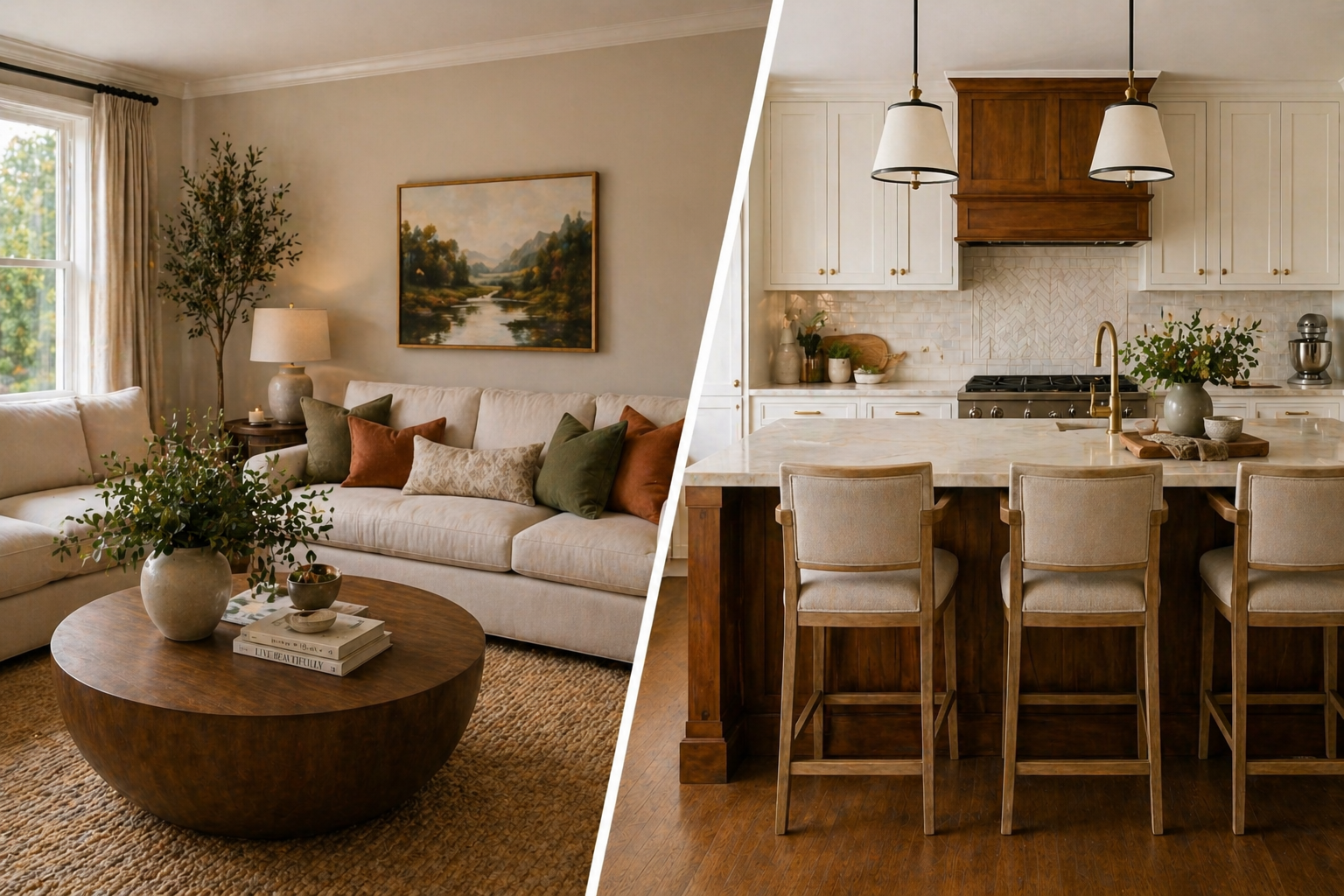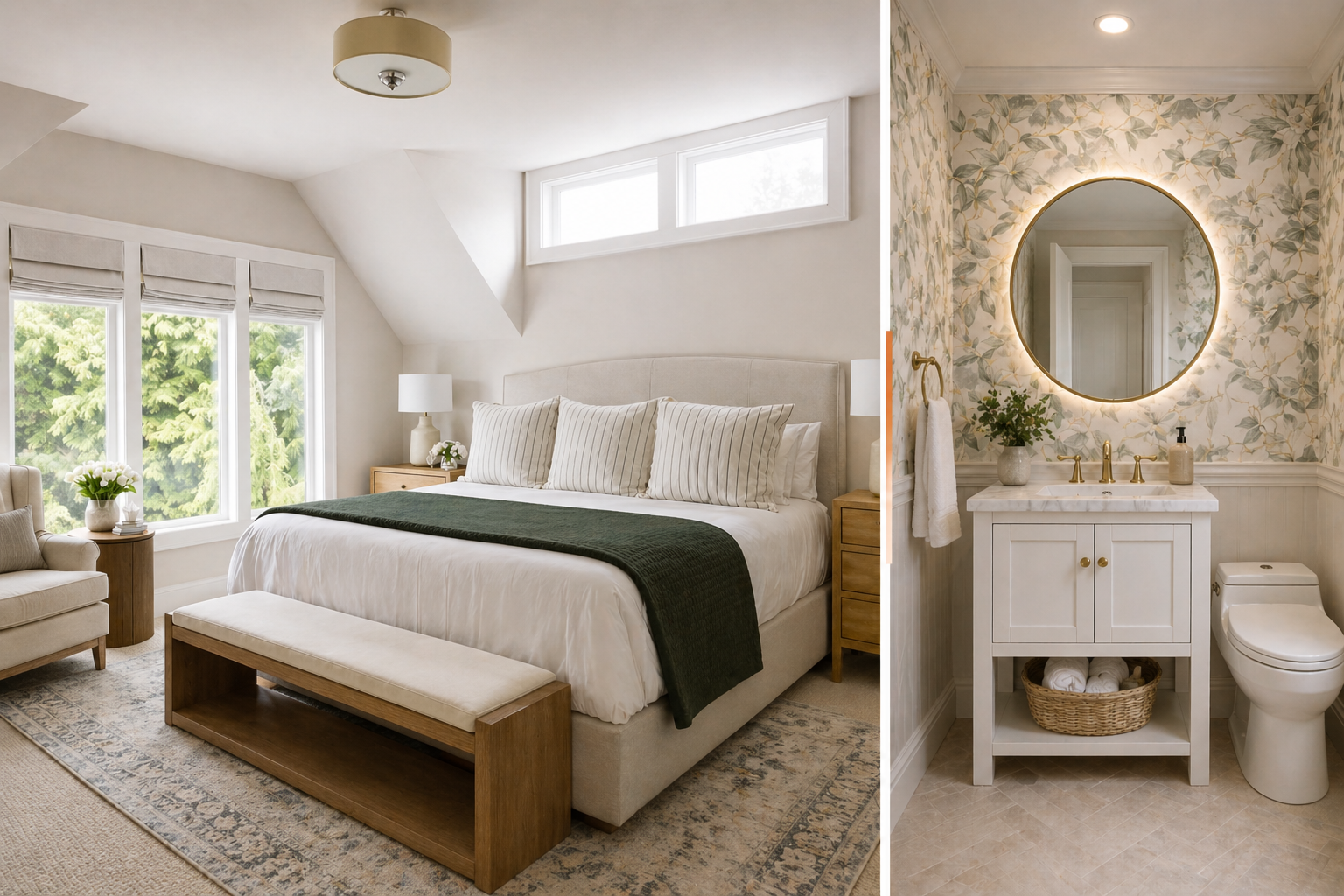
Designing a Large Open-Plan Home: How to Get It Right From the Start
Designing a large open-plan home? Learn how to get layout, flow, and balance right to avoid costly design mistakes.
Introduction
Large, open-plan homes are often seen as the ideal—and in many ways, they are. More space, more light, and more flexibility in how you live.
But they also come with a different kind of challenge.
Because when everything is open, there’s very little to guide how the space should actually work. And without that structure, even the most well-furnished rooms can end up feeling disjointed or unfinished.
It’s not always obvious at first. But over time, something just feels… slightly off.
It Starts With Structure (Even If You Can’t See It)
One of the biggest misconceptions about open-plan living is that it should feel completely free and unstructured.
In reality, the most successful spaces are carefully organised—just not in a way that feels obvious.
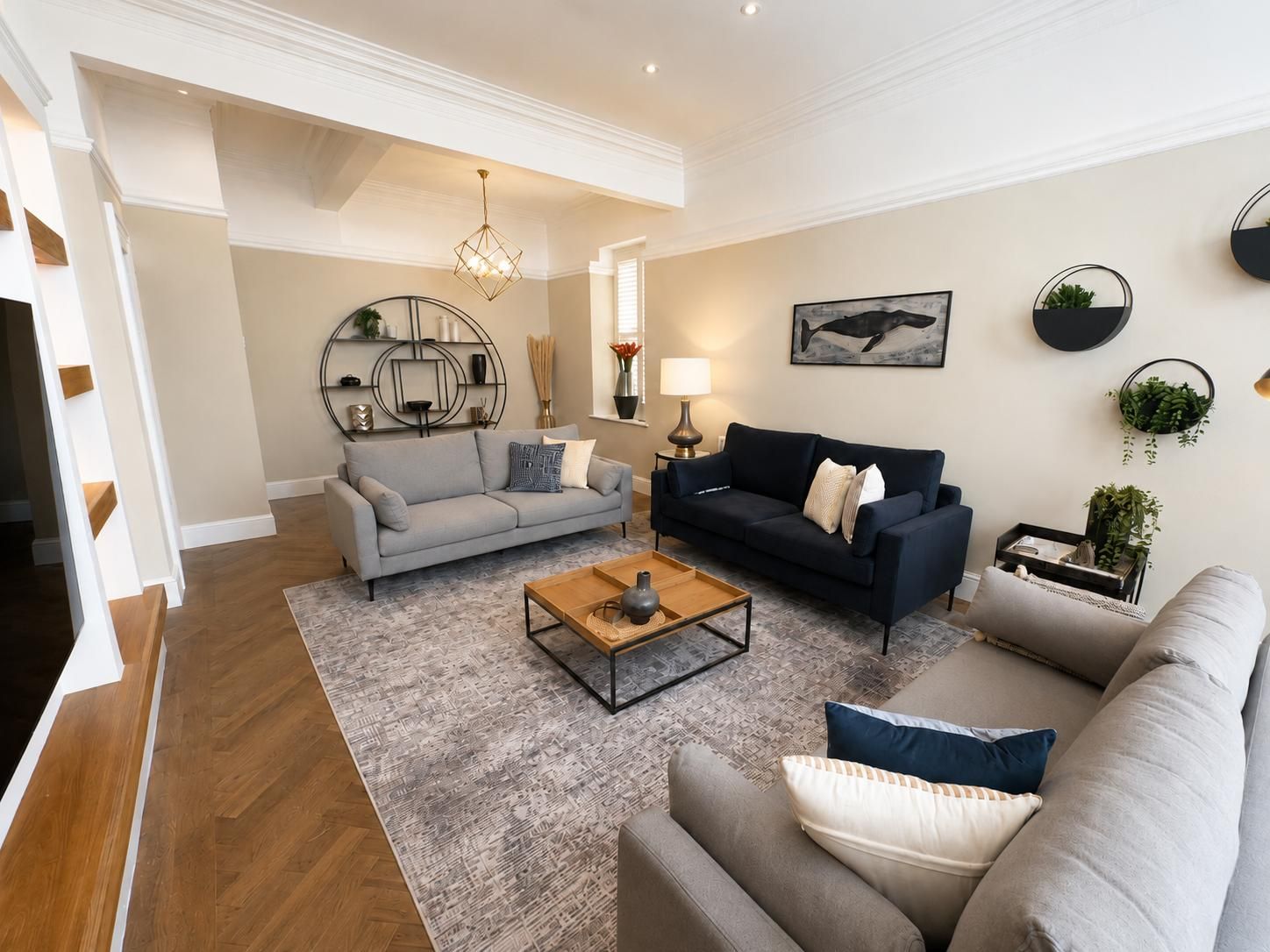
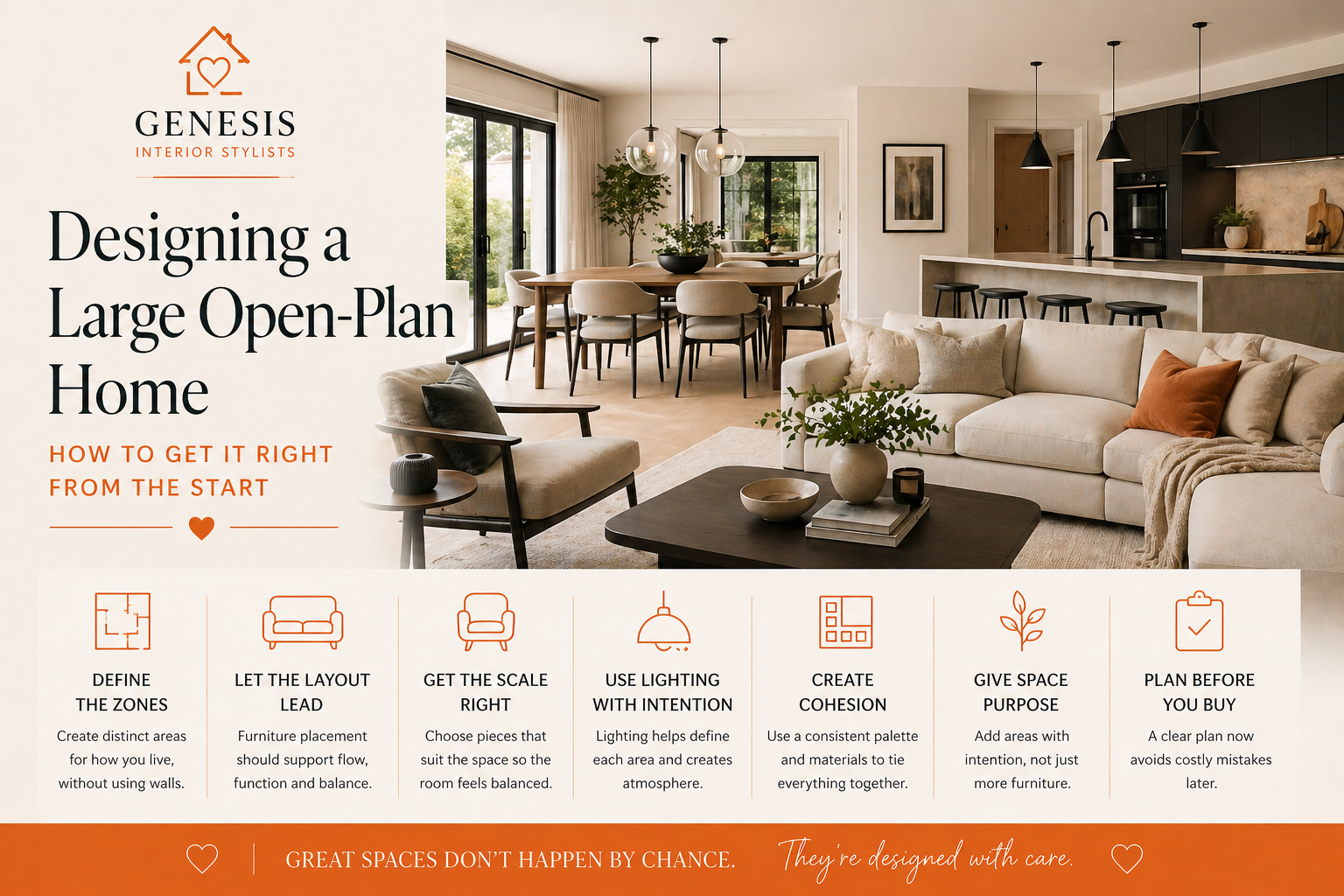
Rather than thinking of it as one large room, it helps to approach it as a series of connected areas, each with its own purpose. A seating area that invites conversation. A dining space that feels anchored. A kitchen that integrates naturally without taking over.
There may be no walls, but there is still a clear sense of place.
Let the Layout Lead
In smaller rooms, you can sometimes get away with placing furniture as you go. In larger spaces, that approach tends to fall apart.
The layout needs to be considered from the beginning—not just in terms of where things sit, but how the room is used.
Where do people naturally walk? Where do they pause? Where does the eye settle?
When those questions are answered properly, the space begins to feel intuitive. When they’re not, the room can feel unsettled, no matter how much effort has gone into it.
Scale Changes Everything
One of the more subtle challenges in larger homes is getting the scale right.
Furniture that would feel perfectly appropriate in a smaller room can suddenly look undersized, leaving the space feeling sparse rather than open.
It’s not about filling the room—it’s about choosing pieces that hold their presence within it. Larger rugs, more substantial seating, and thoughtful spacing all help create that sense of balance.
When the proportions are right, the space feels calm. When they’re not, it can feel slightly uncomfortable without you quite knowing why.
Creating Cohesion Without Repetition
Another common issue is treating each area as a separate design project.
Individually, they may work well. But together, they can feel disconnected.
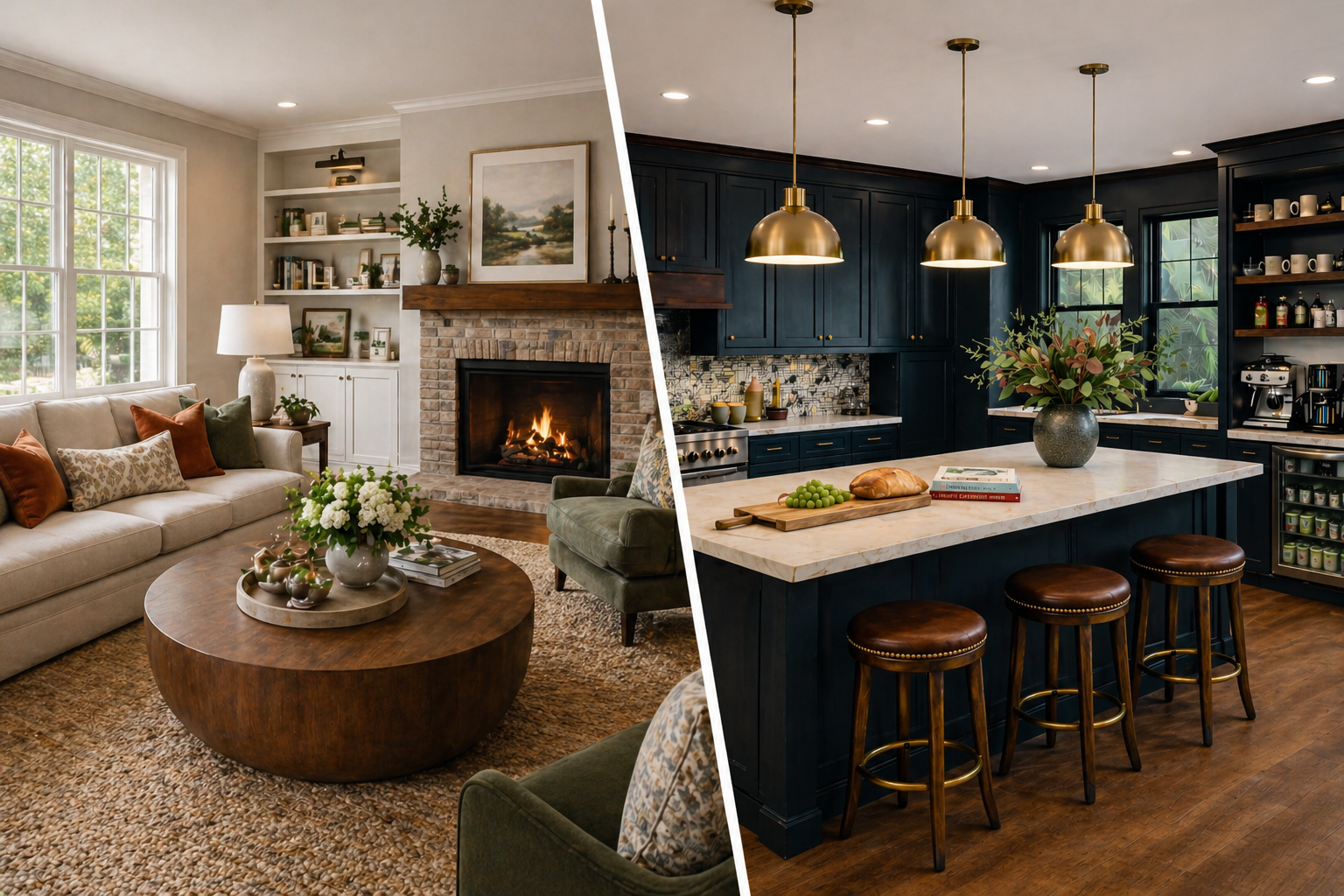
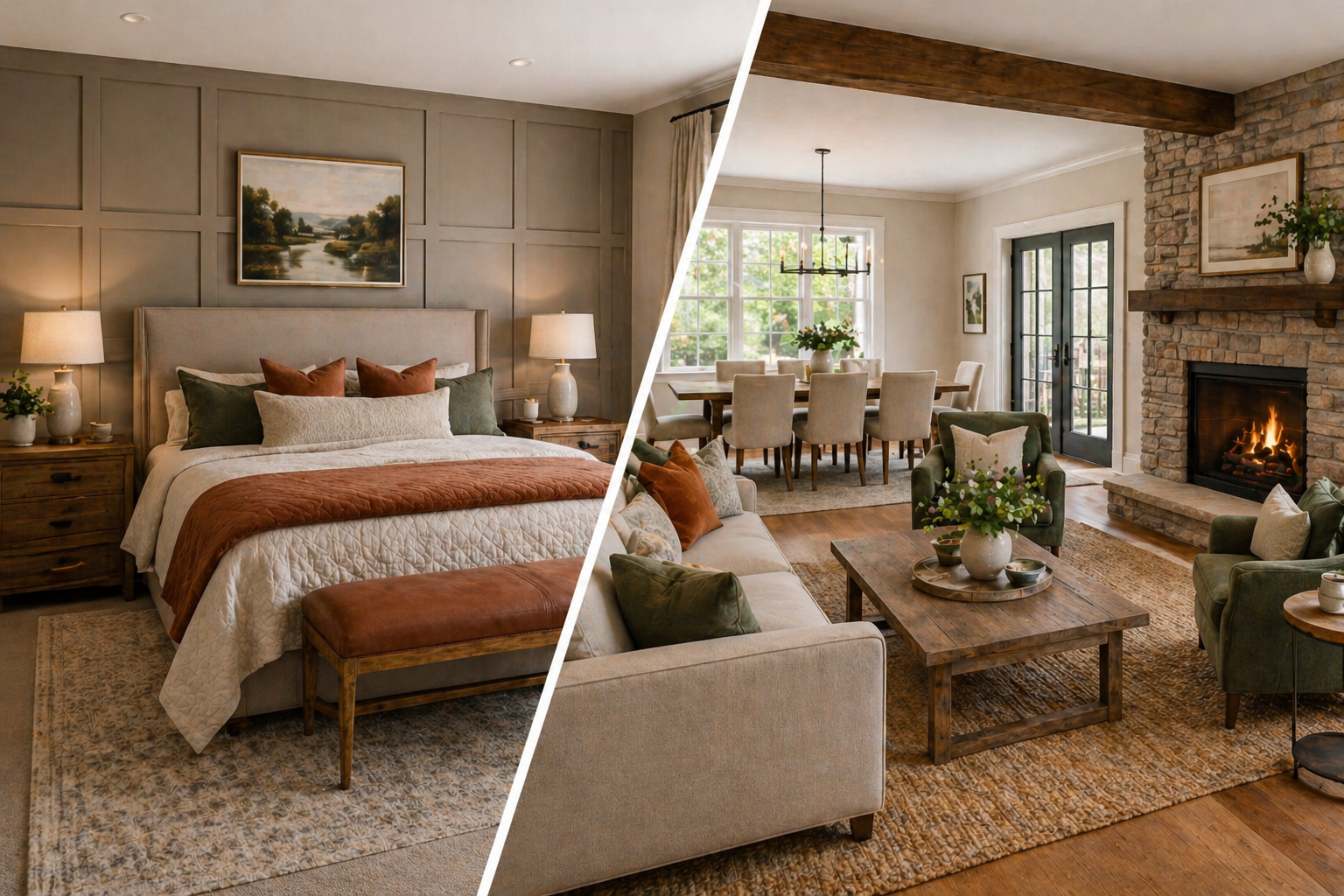
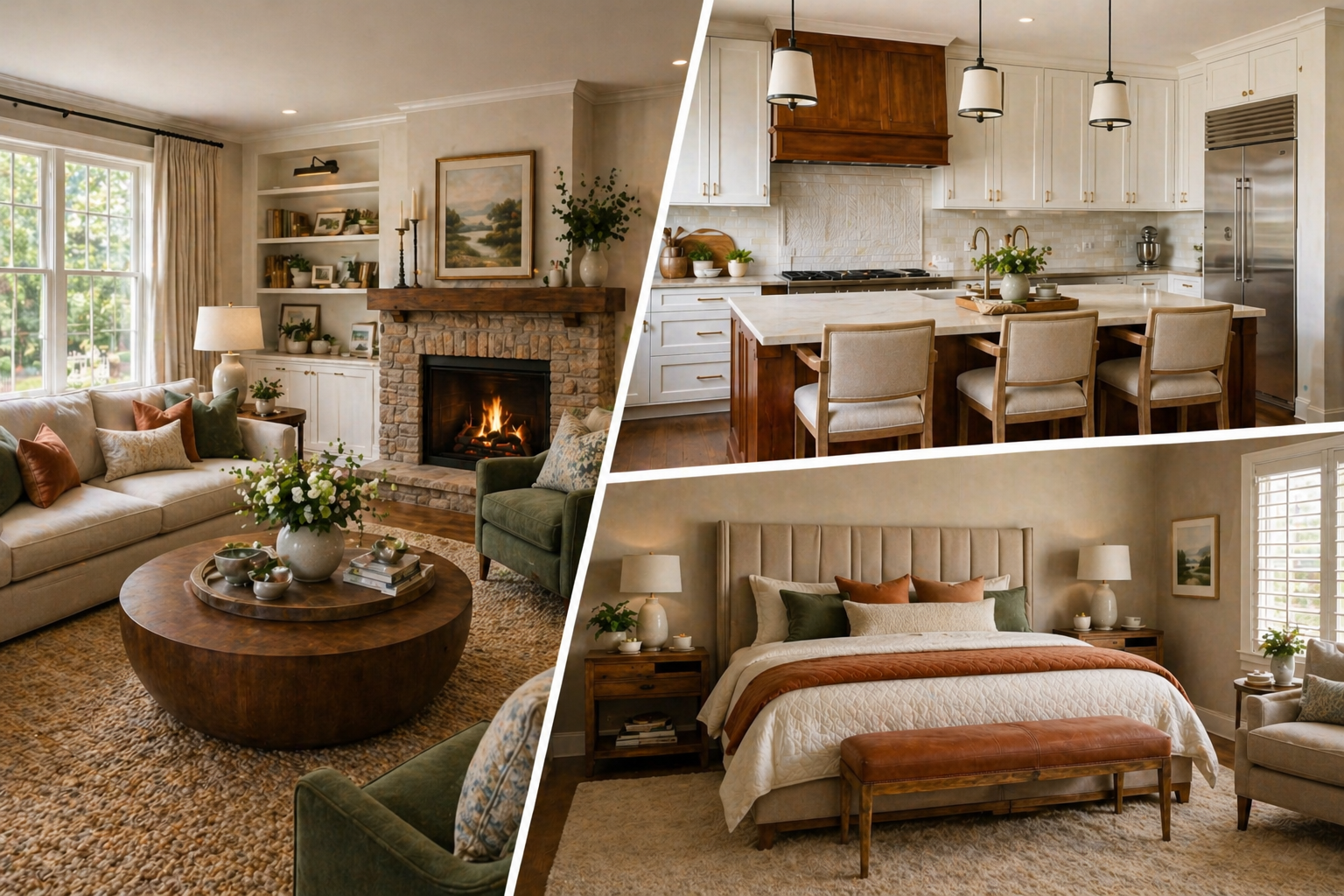
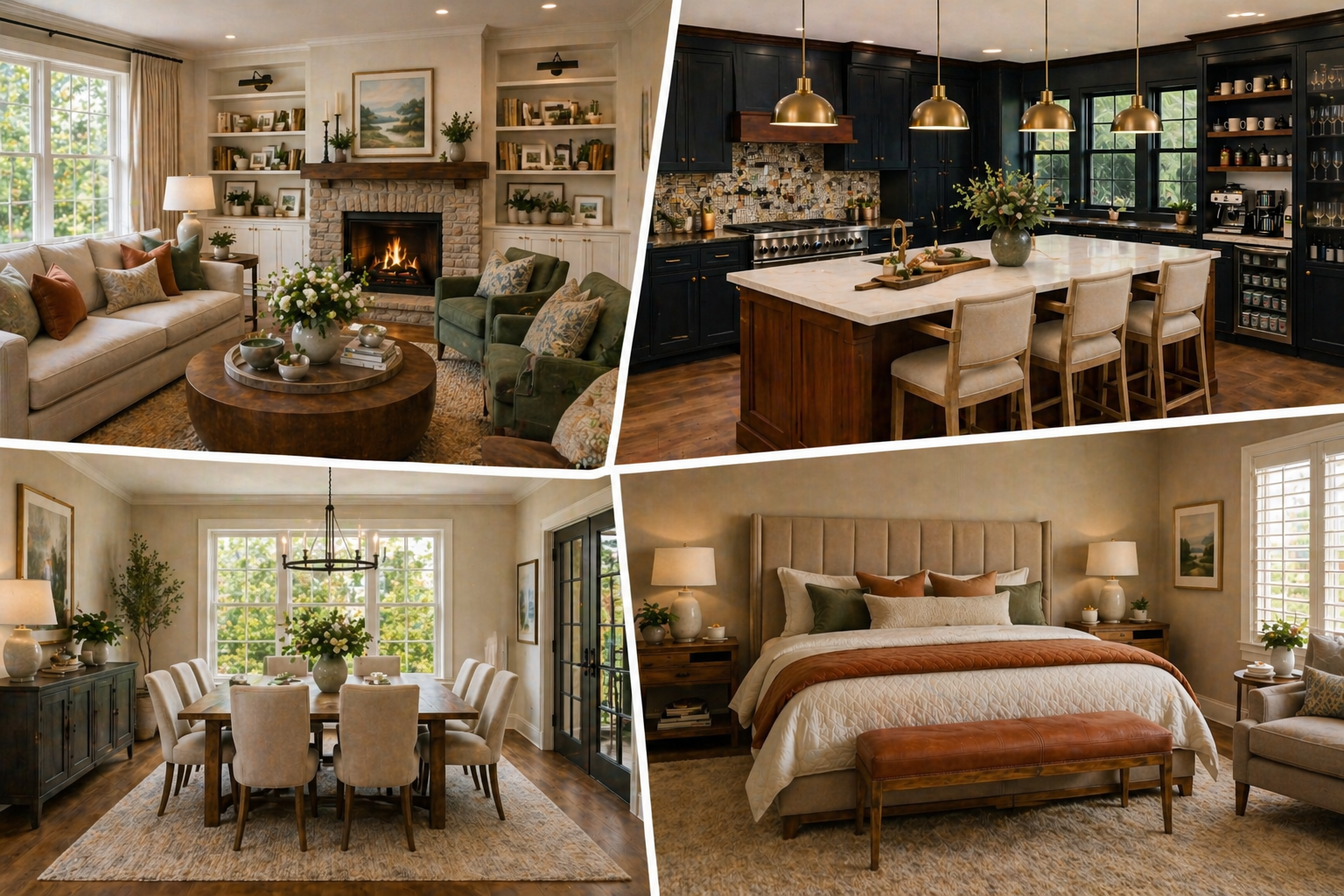
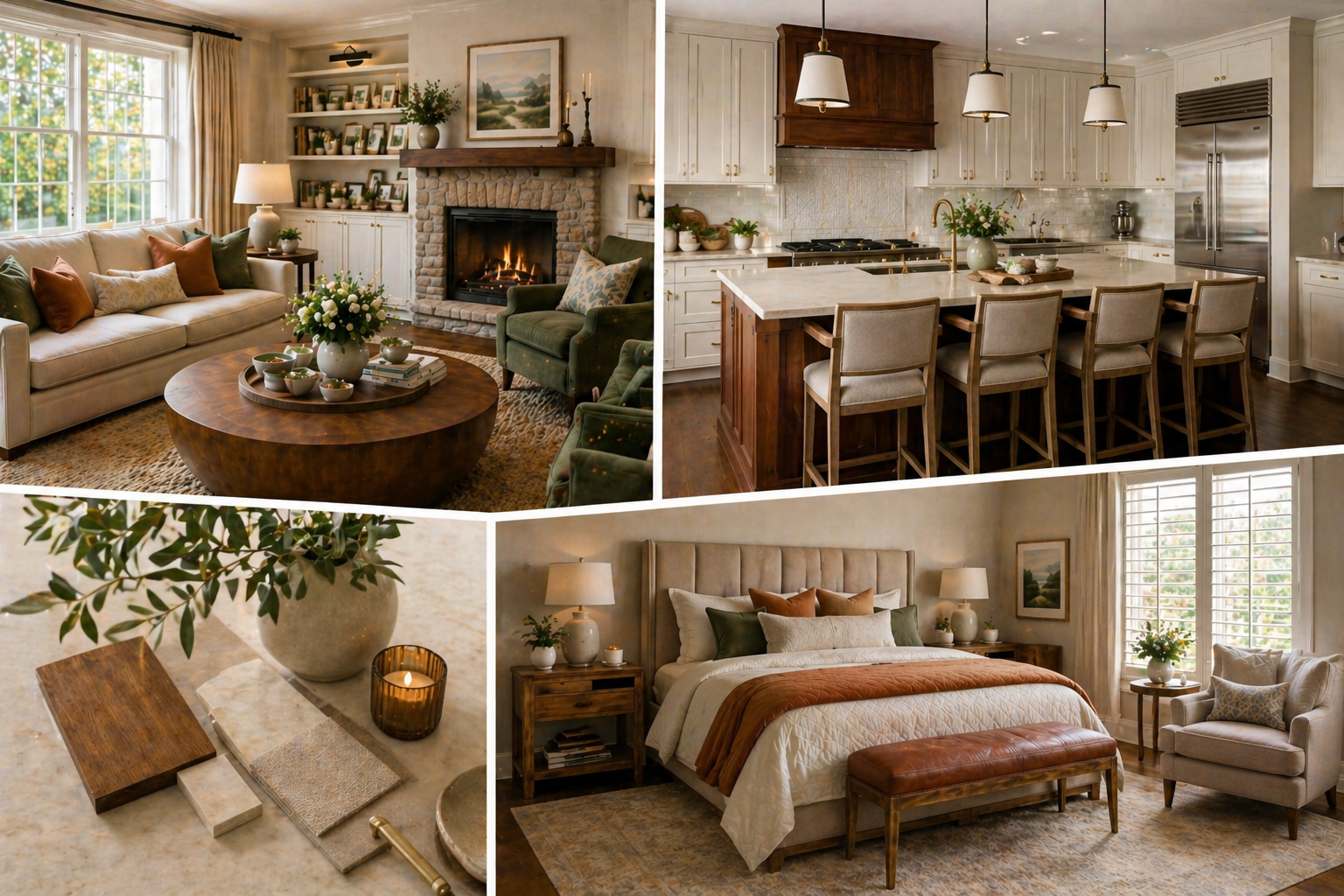
The key is to create a sense of continuity—through colour, materials, and overall direction—without making everything match too closely.
It’s a balance between variation and consistency. Enough contrast to keep things interesting, but enough connection to make the whole space feel considered.
Using Lighting to Define the Space
Lighting plays a bigger role in open-plan homes than most people expect.
It’s not just about visibility—it’s about atmosphere and structure.
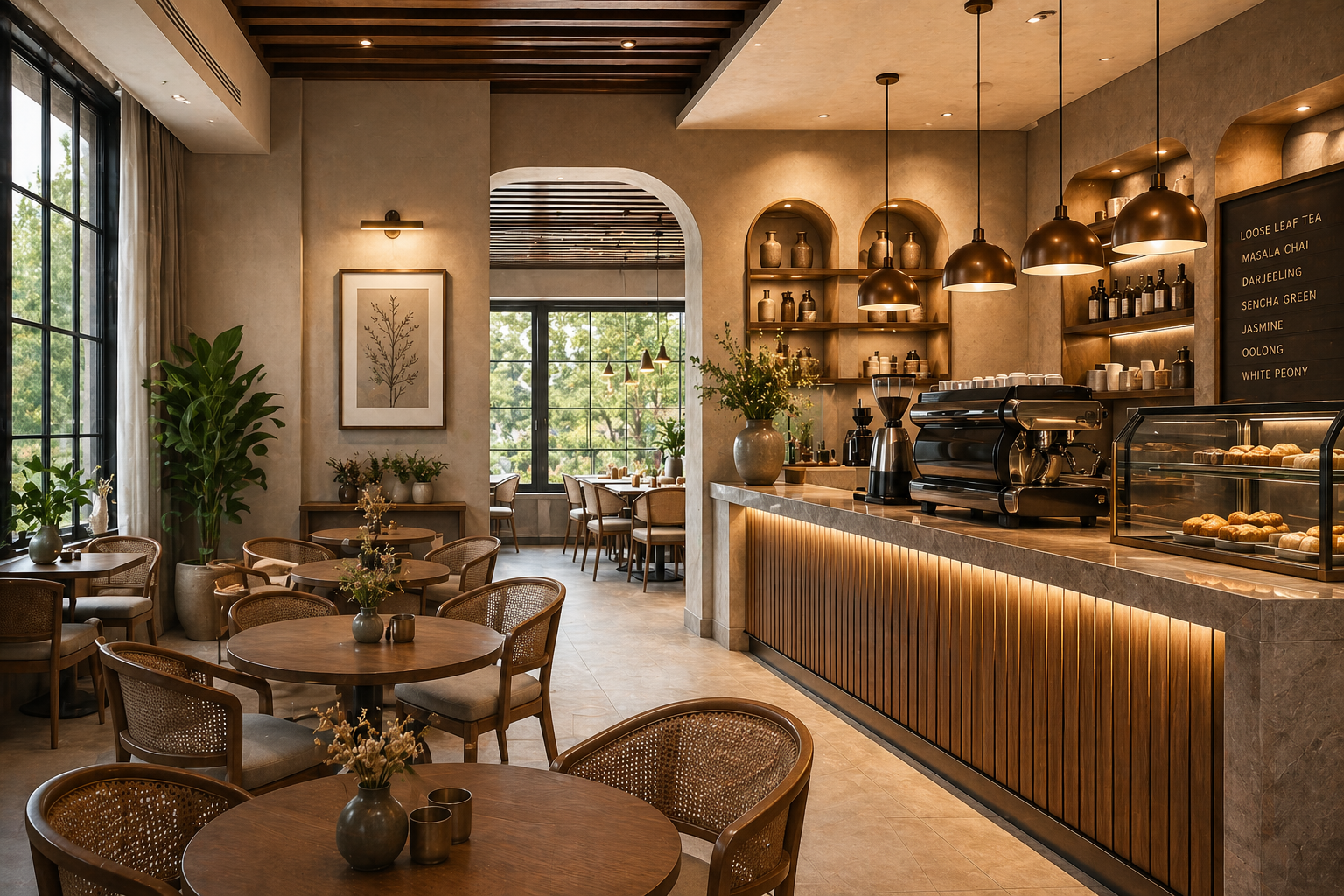
A pendant over the dining table, softer lighting in the seating area, and more functional light in the kitchen all help to subtly define each zone.
You’re not closing the space off, but you are giving it rhythm.
When a Space Feels “Empty”
Interestingly, large rooms don’t usually suffer from a lack of furniture—they suffer from a lack of intention.
Adding more pieces rarely solves the problem. If anything, it can make the space feel more confused.
What tends to work better is introducing purpose. A secondary seating area, a reading corner, or even just a more clearly defined arrangement can shift how the space is experienced.
It’s less about filling space, and more about giving it meaning.
Why Planning Matters More Than Ever
Perhaps the biggest difference with larger projects is how much more noticeable mistakes become.
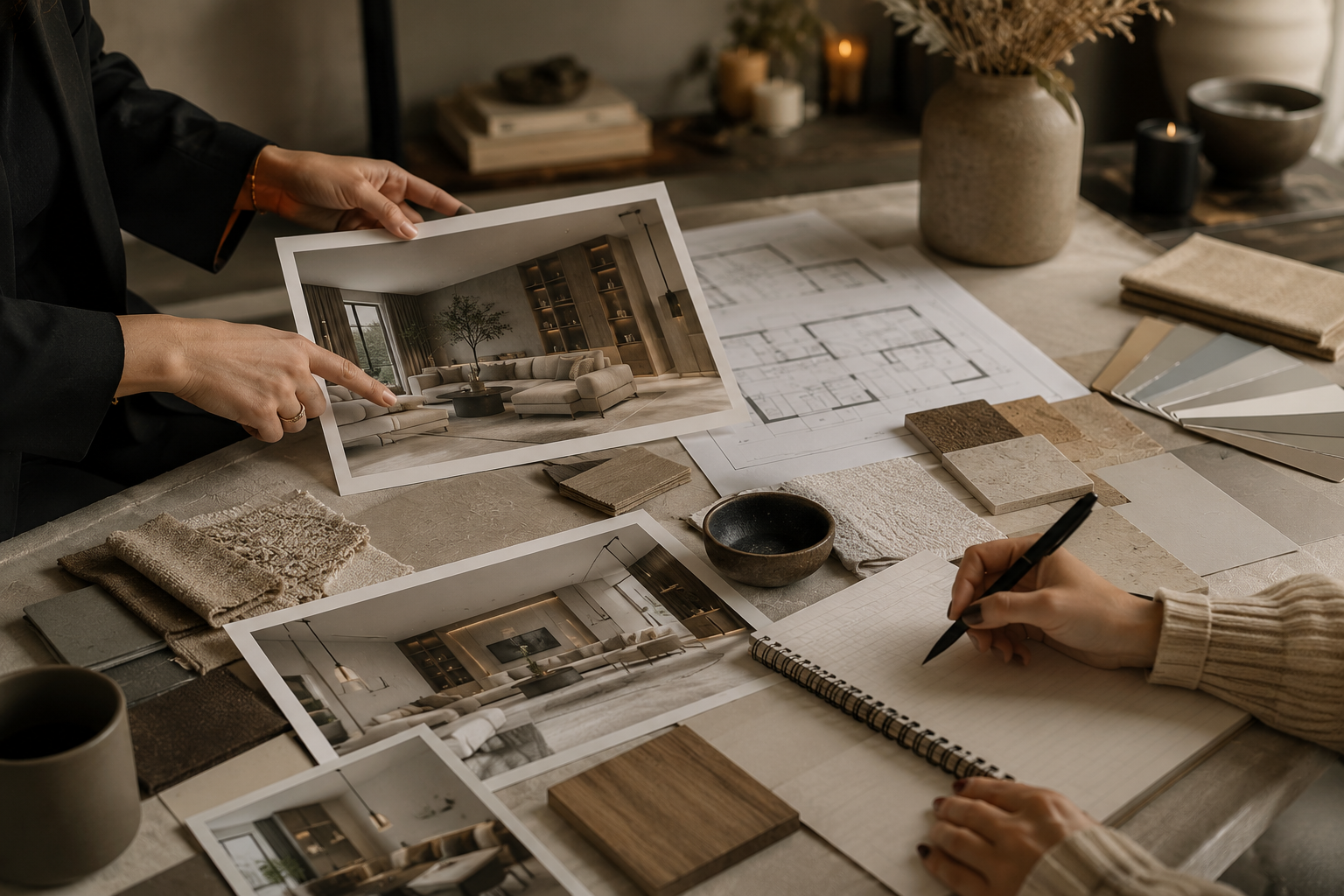
Buying furniture piece by piece, without a clear plan, often leads to a space that never quite comes together.
Not because the choices were wrong individually—but because they weren’t working as part of a whole.
When everything is considered from the outset, the process becomes far more straightforward. And the result feels intentional from the beginning.
Final Thoughts
Open-plan living works best when it feels effortless.
But that sense of ease usually comes from a lot of careful thinking behind the scenes.
When layout, scale, and cohesion are all working together, the space doesn’t just look good—it feels right. And that’s often the difference people notice, even if they can’t quite explain it.