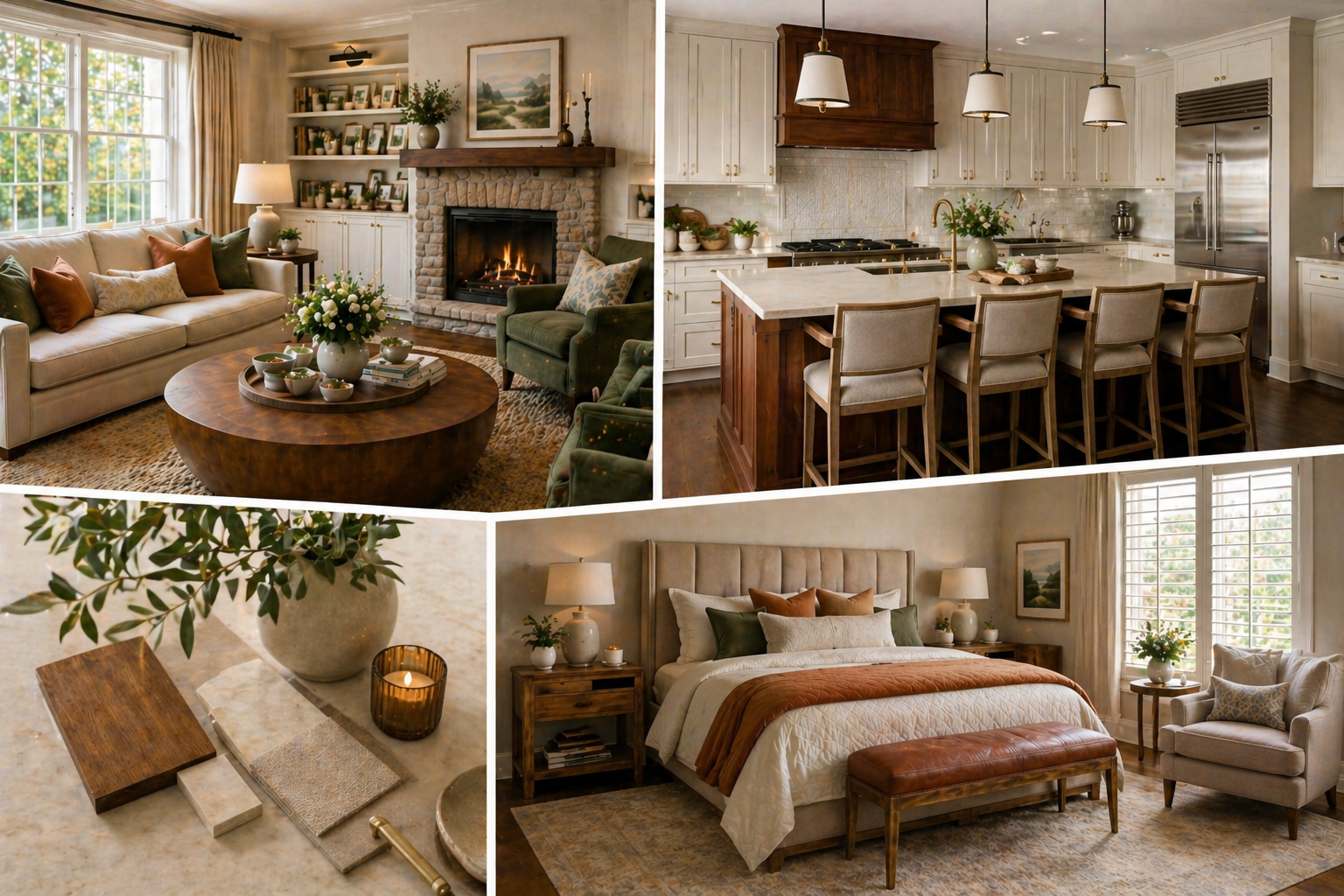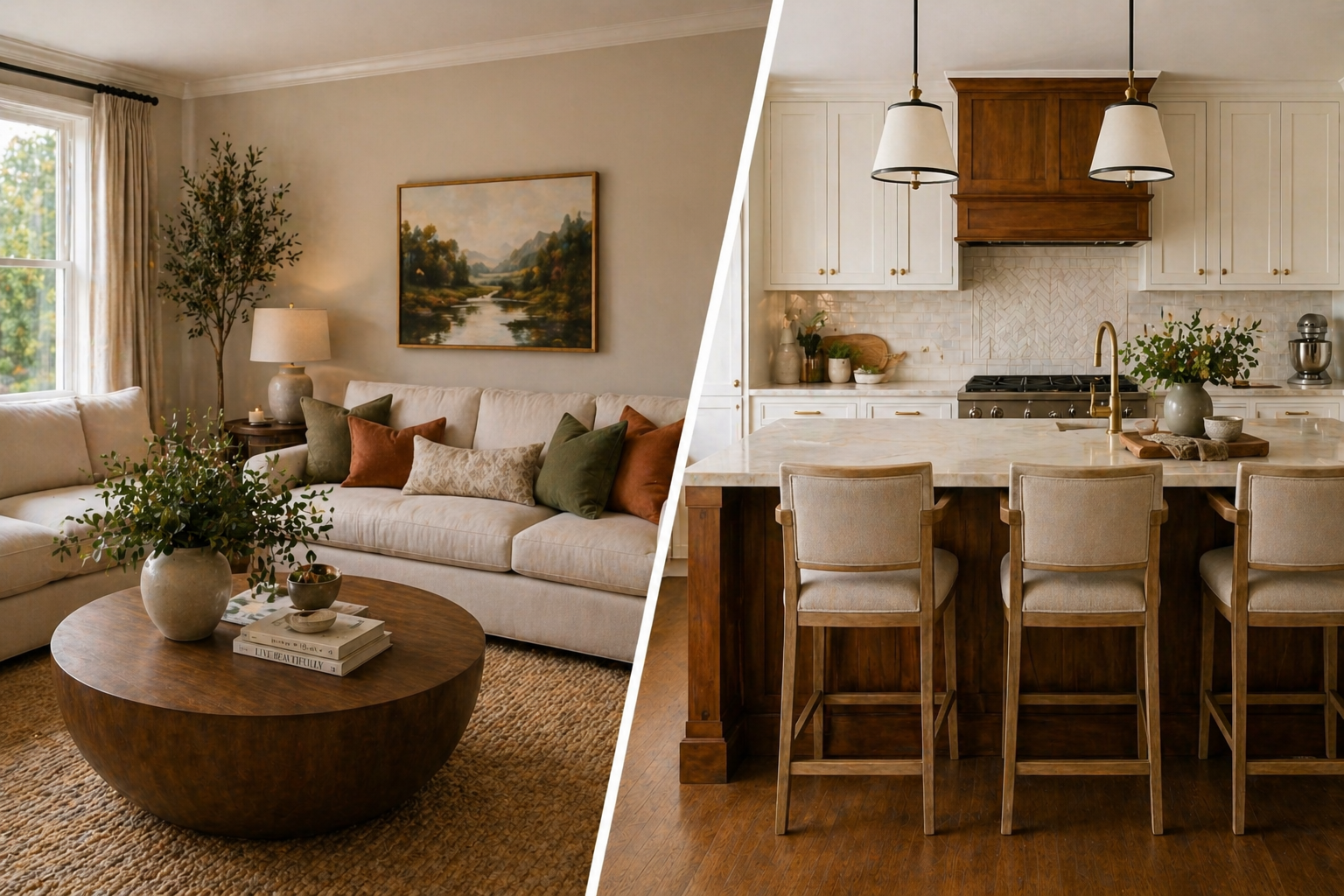
How to Style Your Home on a Budget (Without It Looking Cheap)
Discover how to style your home on a budget with simple, expert tips that make your space look more expensive without overspending.
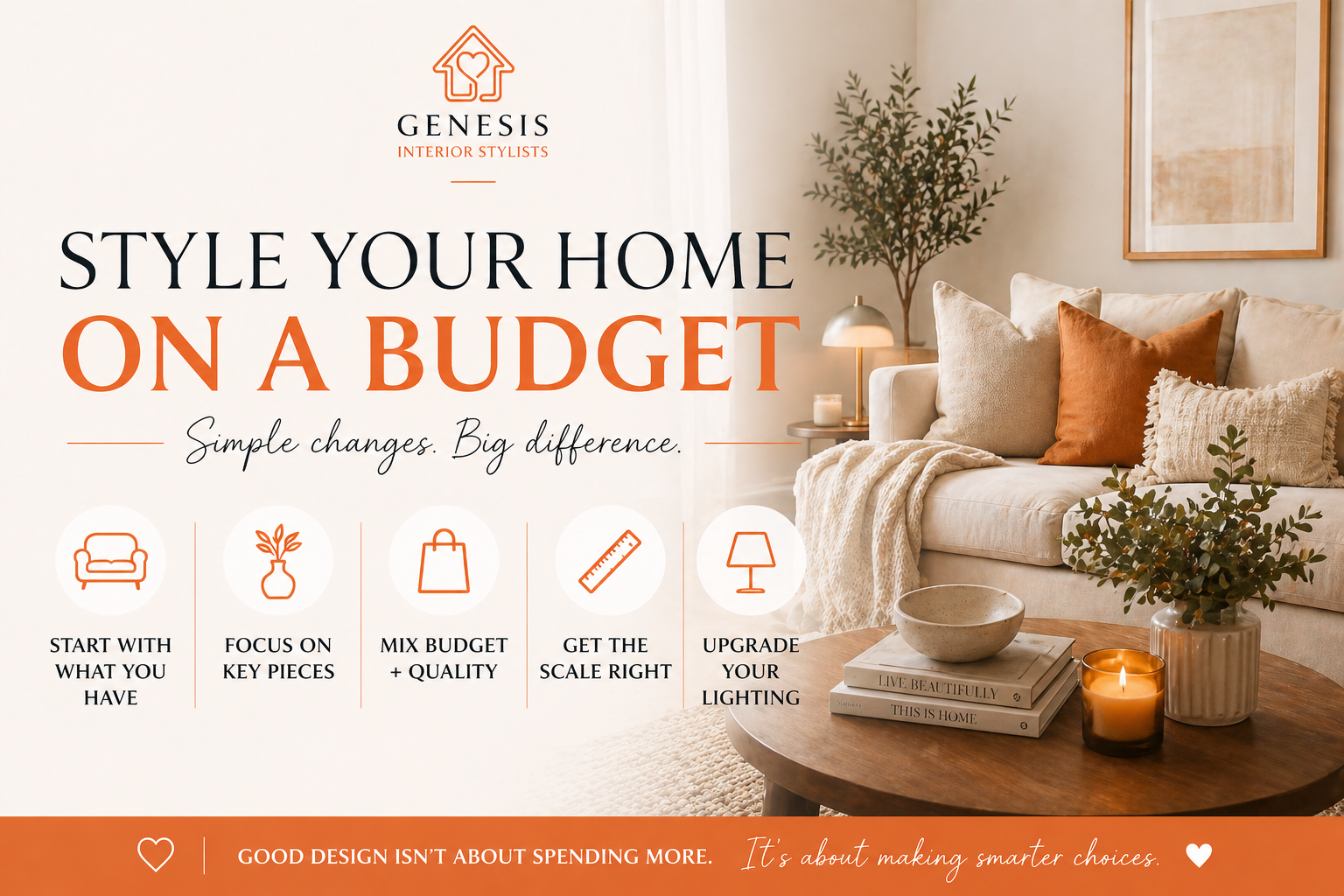
Introduction
Styling your home on a budget can feel like a bit of a balancing act.
You want it to look considered and put together—but without spending thousands on furniture and decor.
And if you’ve ever tried to cut costs before, you’ll know how easy it is to end up with a space that feels… slightly off.
The good news is, creating a home that feels elevated isn’t about spending more—it’s about knowing where to spend, where to save, and how everything comes together.
1. Start With What You Already Have
Before buying anything new, take a step back and look at your space properly.
Most homes already have good pieces—they’re just not being used in the best way.
Try this first:
Rearrange your layout
Move accessories between rooms
Remove anything that feels unnecessary
Sometimes the biggest improvement comes from doing less, not more.
2. Focus on High-Impact Changes
If your budget is limited, it’s important to prioritise what actually makes a difference.
Some things naturally elevate a space more than others.
Worth investing in:
Lighting (lamps over harsh overhead lights)
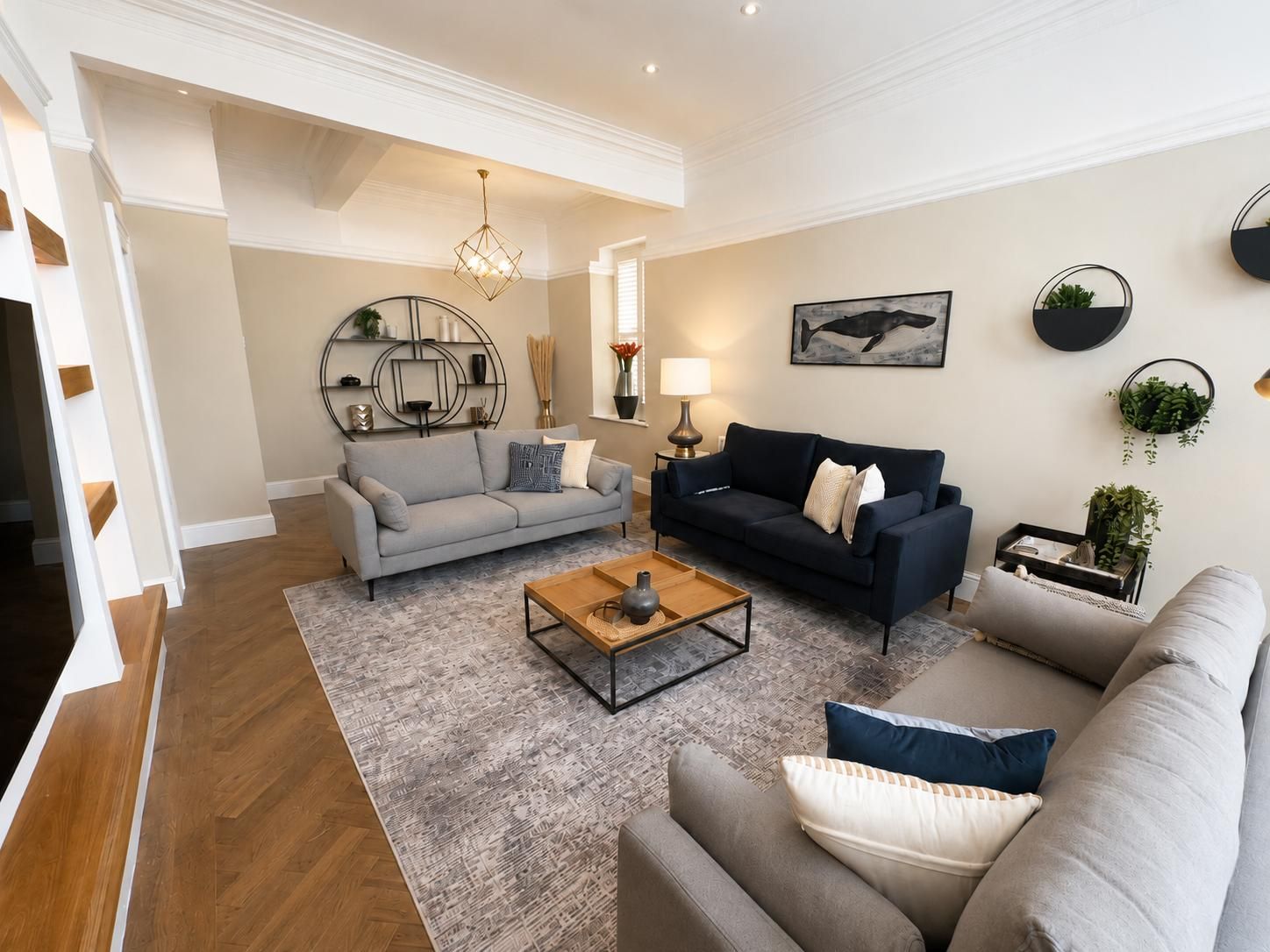
Rugs (correct size makes a huge difference)
Cushions and textiles (for layering and depth)
These are the elements that people feel when they walk into a room.
3. Mix Budget and Higher-Quality Pieces
One of the quickest ways to make a space look cheap is when everything feels like it came from the same place.
Instead, aim for a mix.
A better approach:
Invest in key pieces (sofa, bed, dining table)
Save on accessories and styling items
Blend high street with more unique finds
It creates contrast—and that’s what makes a space feel more considered.
4. Pay Attention to Scale and Proportion
This is where a lot of budget interiors fall down.
Even affordable pieces can look great if they’re the right size.
But if things are too small, too big, or out of balance—it shows.
Quick wins:
Choose larger rugs over small ones
Avoid lots of tiny accessories
Make sure furniture fits the room properly
Getting the scale right instantly elevates everything else.
5. Use Texture to Add Depth
When working with a tighter budget, texture becomes your best friend.
It adds interest without needing expensive materials.
Layer things like:
Linen cushions
Soft throws
Natural materials (wood, ceramics, woven pieces)
It’s what stops a space from feeling flat.
6. Keep Your Colour Palette Simple
Too many colours can make a space feel chaotic—and often cheaper than it needs to.
A more restrained palette tends to feel calmer and more intentional.
What works well:
Neutrals as a base
1–2 accent colours
Repeating tones throughout the space
It creates cohesion without overcomplicating things.
7. Upgrade Your Lighting (It Changes Everything)
Lighting is one of the most overlooked parts of home styling.
And it’s often the reason a space doesn’t feel quite right.
Instead of relying on one ceiling light:
Add table lamps
Use floor lamps for softer lighting
Layer light sources across the room
It makes the space feel warmer, more inviting—and more expensive.
8. Declutter and Edit Your Space
Clutter doesn’t just make a room feel messy—it makes it feel smaller and less considered.
And it doesn’t matter how much you’ve spent… if there’s too much going on, it won’t feel right.
Focus on:
Clearing surfaces
Grouping items together
Removing anything that doesn’t add value
A more edited space always feels more elevated.
9. Don’t Rush the Process
This is where most people go wrong.
Trying to “finish” a room quickly often leads to:
Impulse purchases
Items that don’t quite work
A space that feels pieced together
It’s better to take your time and build things gradually.
10. Make Small Upgrades That Go a Long Way
You don’t always need to replace big items to improve a space.
Sometimes it’s the smaller details that make the difference.
Easy upgrades:
Swap out cabinet handles
Update lampshades
Change cushion covers
Add artwork or mirrors
They’re subtle—but they shift how the whole room feels.
The Key Takeaway
Styling your home on a budget isn’t about cutting corners—it’s about making smarter decisions.
When you focus on layout, lighting, proportion, and simplicity, even affordable spaces can feel thoughtful and well put together.
Final Thoughts
Most homes don’t need more things—they need better balance.
And once you understand what actually makes a difference, you realise you don’t need a huge budget to create a space you genuinely enjoy being in.