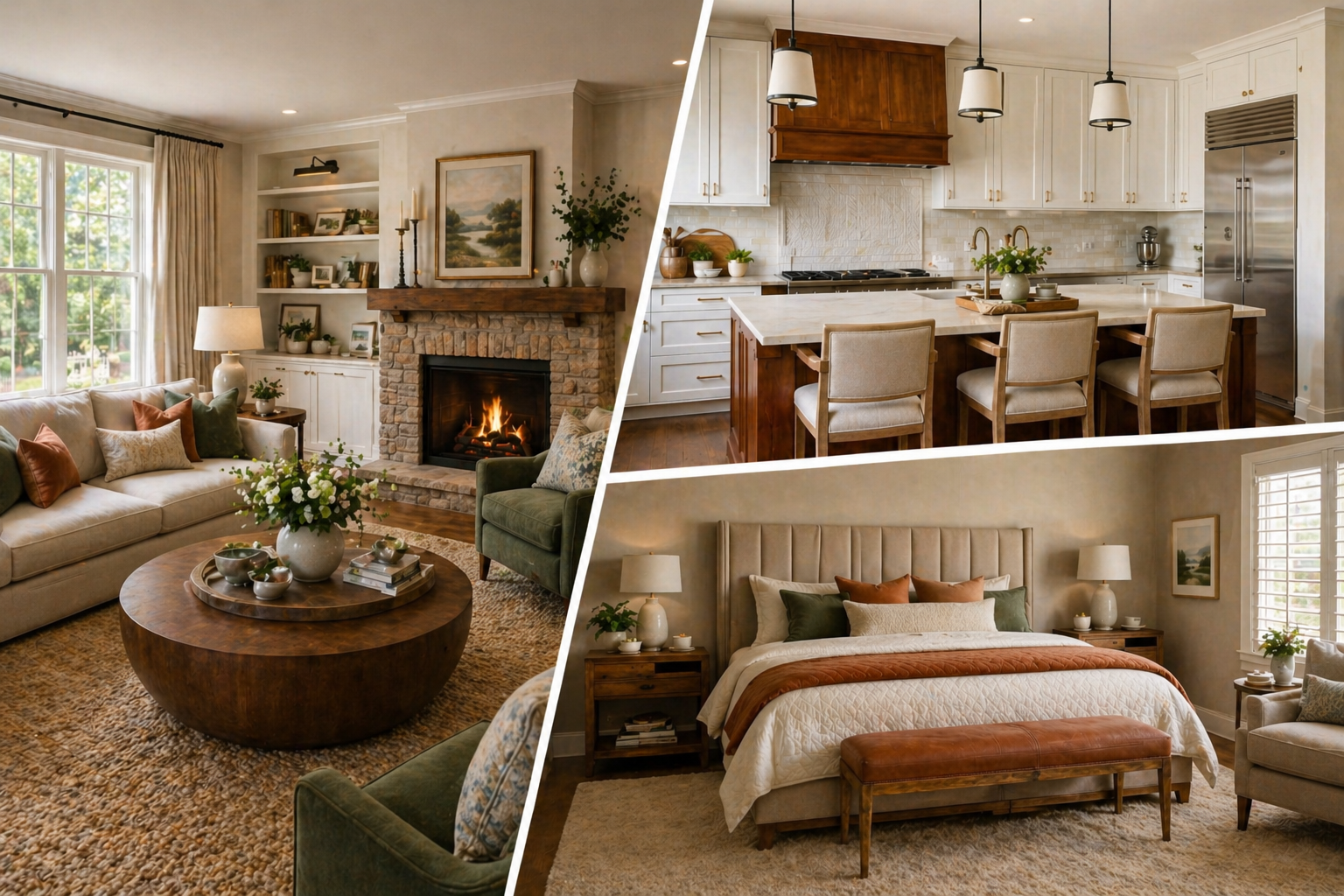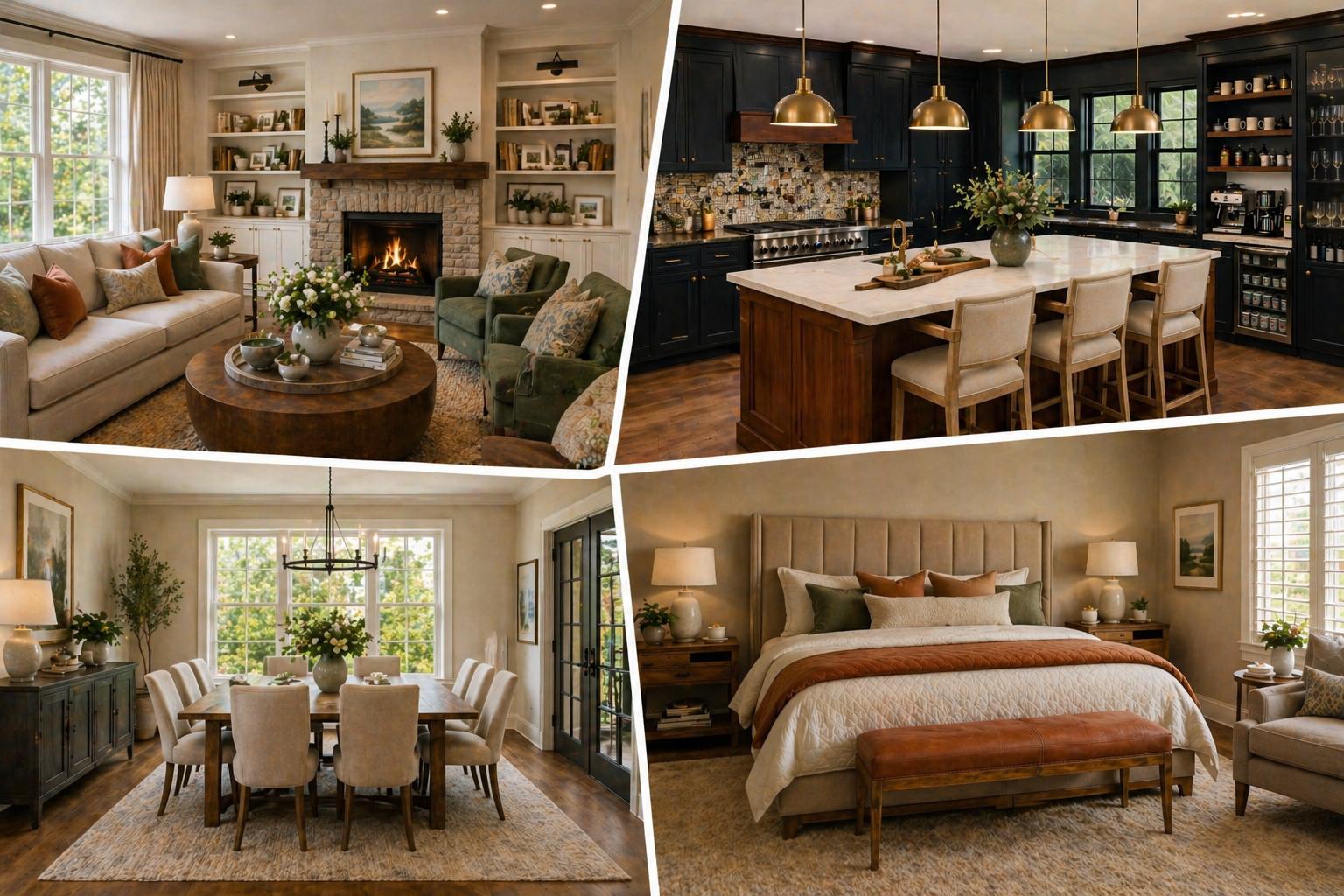
Why Great Interior Designers Don’t Always Get It Right First Time
Clear conversations, thoughtful feedback and a home shaped around you.

A first interior design concept opens a conversation. It brings your brief into a visible direction, helping you decide what feels right and what needs more thought. The most useful feedback is often specific: a room feels too formal, a favourite piece is missing, or the layout does not suit your everyday routine.
At Genesis Interior Stylists, we work with homeowners in Blackburn and across Lancashire to shape interiors around the people using them. Our residential interior design service brings layout, furniture, materials and lighting into that conversation.
Begin with the way you live
Style preferences matter, but they are only part of the brief. A room also needs to accommodate morning routines, work, family time, visitors and quiet evenings. Explain what currently frustrates you as well as what you hope the finished home will look like.
Useful starting points include photographs, floor plans where available, furniture you want to keep and a small selection of inspiration images. Tell us what you like in each image: the light, the colours, the storage or the atmosphere. That is more helpful than expecting every detail of an unrelated room to fit your property.
Our full-home planning guide explains how to organise priorities before individual purchases begin.
Give discovery the attention it deserves
Genesis uses discovery documents to help clients reflect on their routines, preferences and aspirations in their own time. Taking a little space to answer can reveal needs that are easy to miss during a meeting.
If two people have different preferences, record both. One may want a calm room while the other is drawn to colour; someone may care most about practical storage while another values space for entertaining. Understanding those differences gives the design a clearer starting point.
Use the concept to test the direction
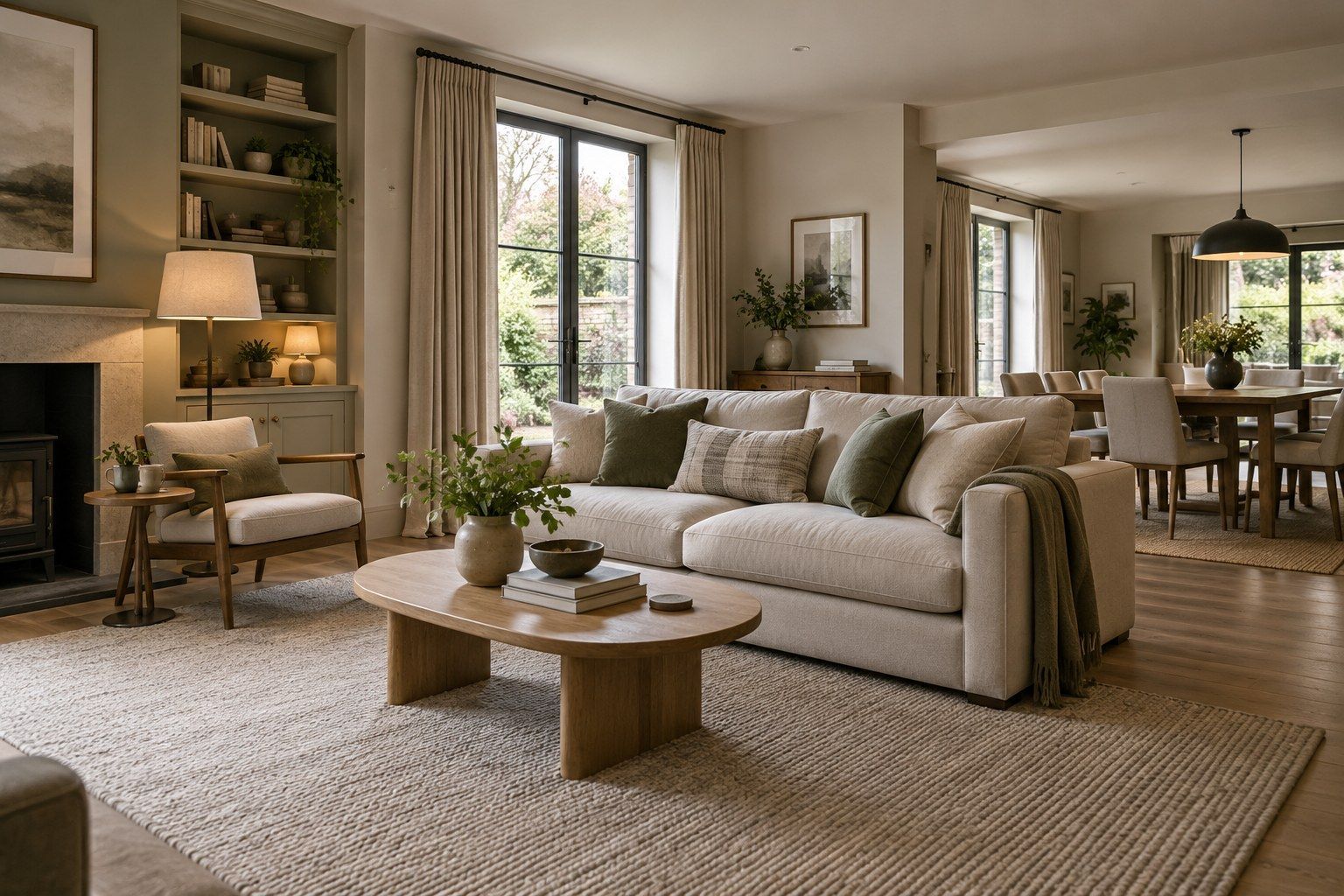
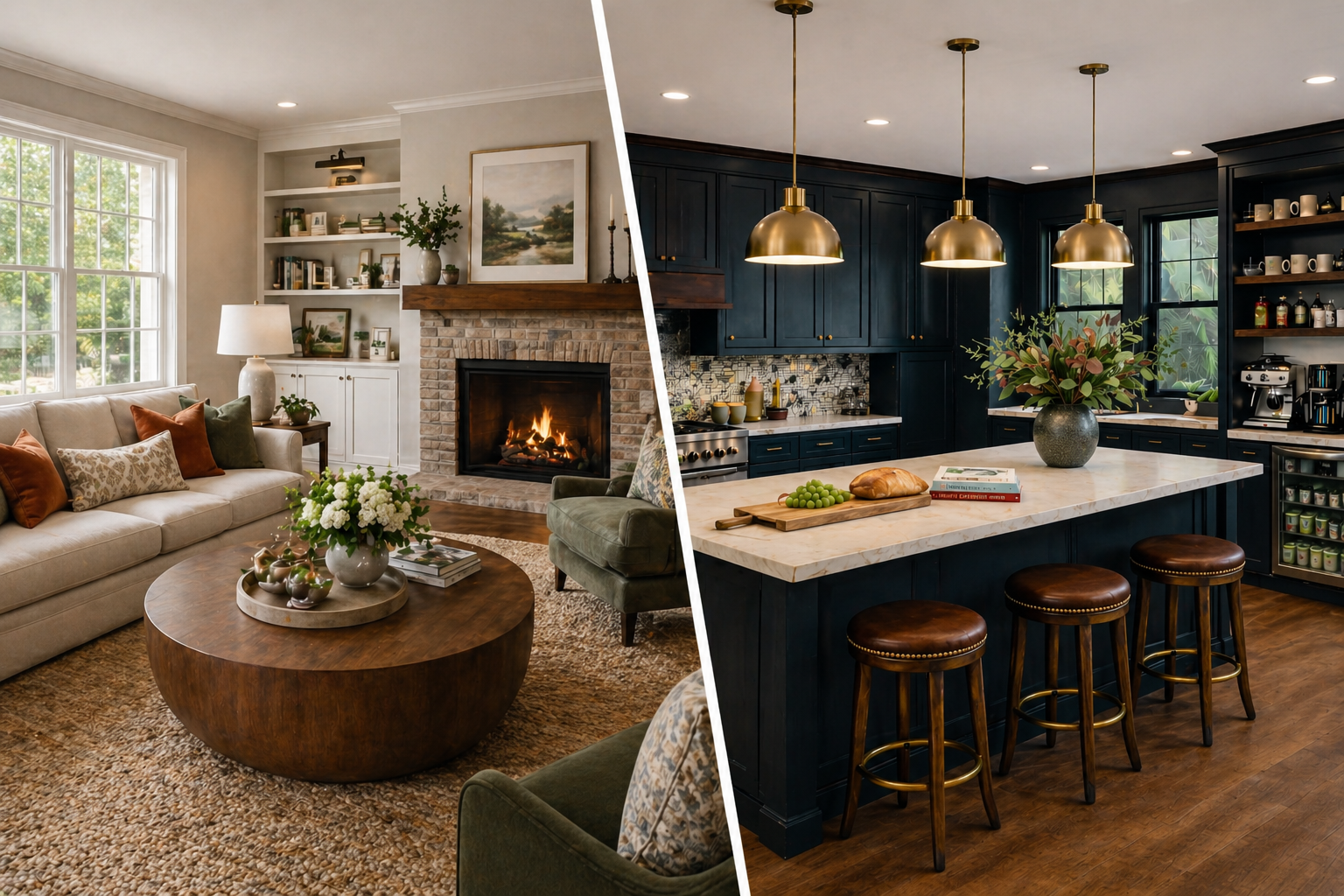
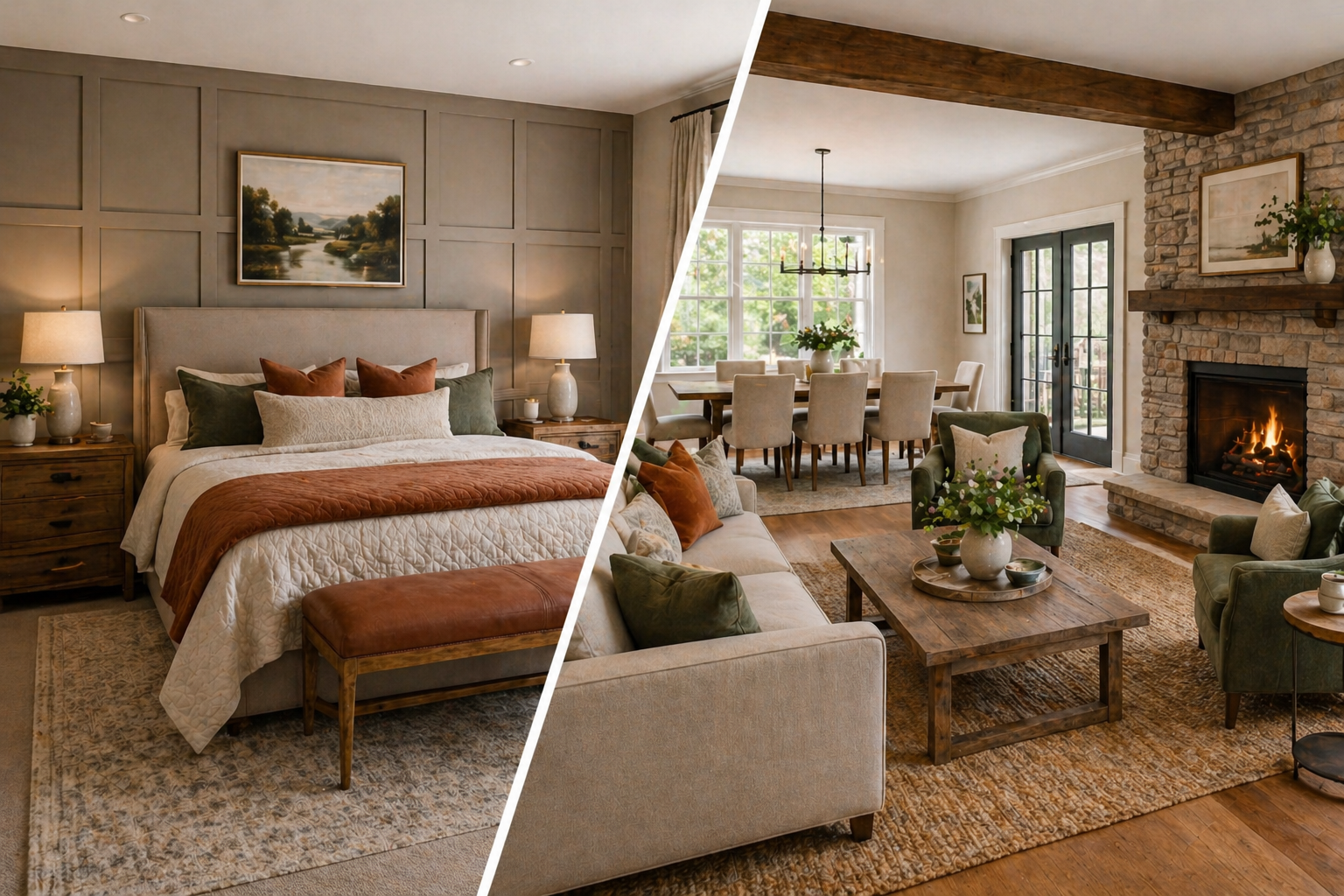
Early concepts bring together the proposed atmosphere, colours, materials and furniture direction. Inspiration imagery can help communicate that direction, but it should be understood as a reference rather than a promise that another property will be reproduced exactly.
Look at the concept as a whole before focusing on small decorative details. Does it feel like a home you would enjoy living in? Does it reflect the priorities in the brief? Which elements feel most comfortable, and which need discussion?
Make feedback specific and useful
You do not need design vocabulary to explain your response. Everyday observations are enough. Instead of simply saying that a scheme feels wrong, describe what is creating that reaction.
- “The colours feel cooler than we imagined.”
- “We like the sofa, but we need more space for everyone to sit together.”
- “The shelves look attractive, but we would prefer more closed storage.”
- “We want to keep our dining table and build the room around it.”
Gather feedback into one clear set where possible. Mark the priorities and distinguish essential changes from ideas you would like to explore. This makes the next conversation more focused and helps the designer understand the reason behind each request.
Agree the direction before developing detail
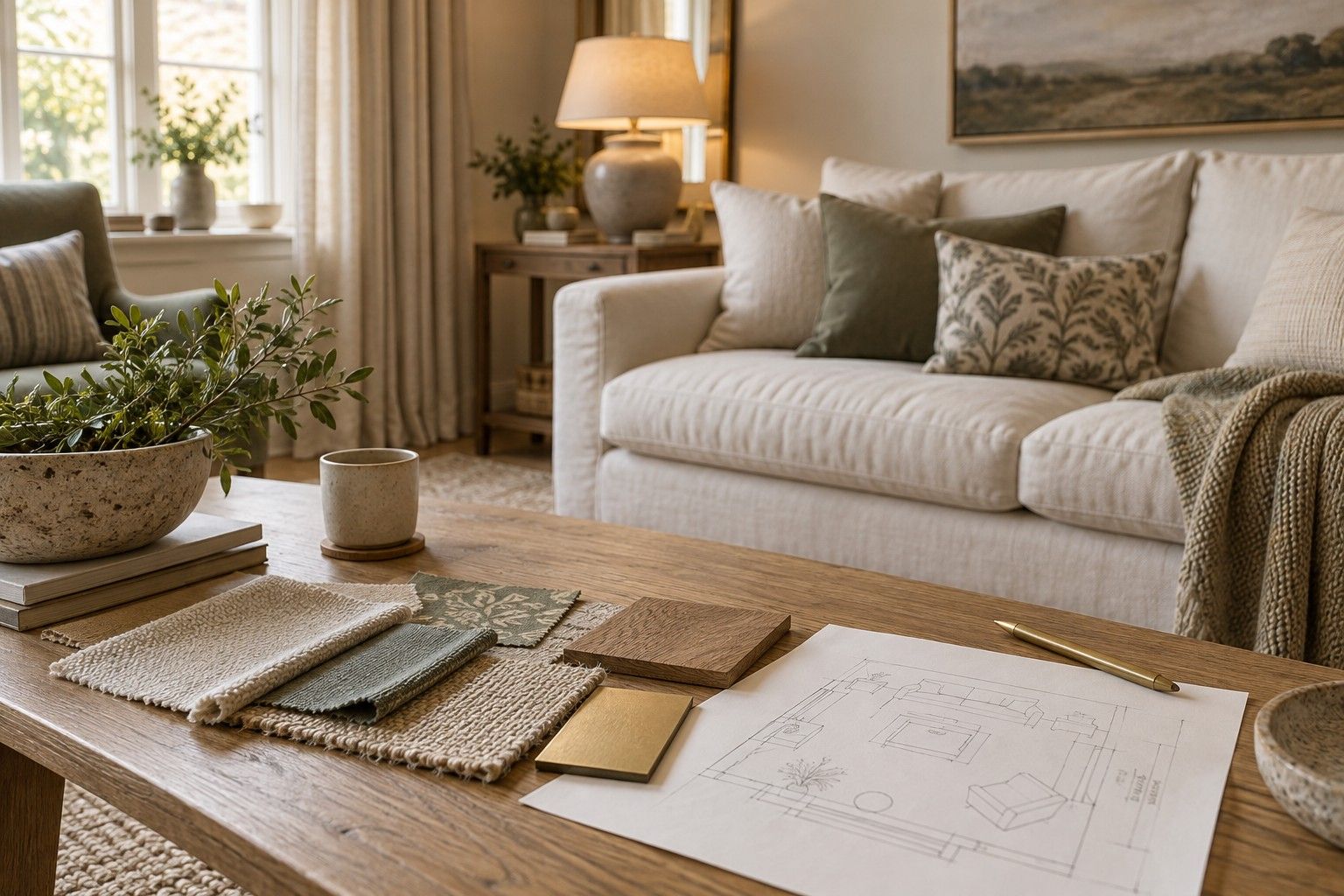
As the design progresses, layouts, material choices, lighting and furniture specifications need closer attention. CGI visuals can help communicate a scheme, but measurements, samples and technical coordination remain part of turning it into a workable interior.
Our guide to materials and finishes explains why physical samples matter. For building work, the renovation planning guide covers decisions worth resolving early.
Agree how feedback, revisions and approvals will be handled within the project scope. Clear communication helps everyone understand what has been decided and what is still open; it does not mean every possible change is included without limit.
Questions about the design process
What if I do not love the first concept?
Explain your reaction and the elements causing it. A specific discussion can help identify whether the brief needs clarifying or the direction needs adjusting. Review the agreed project scope when discussing revisions.
Do I need to know my interior style before contacting Genesis?
No. Bring examples you respond to and tell us about your home and routines. The conversation can help clarify what you like without forcing your preferences into a single style label.
Can we keep existing furniture?
Tell us which pieces matter to you at the outset. Their measurements, condition and position can then inform the wider scheme rather than becoming an afterthought.
Start with a conversation about your home
Explore our recent projects for a sense of the interiors we create. Then tell Chris and Jenny about your plans, or call Chris on 07450 260777. We can discuss what you want to achieve and the next step for your project.