Why Lighting Is the Most Overlooked Part of Interior Design
Why Lighting Is So Important in Interior Design
Introduction
Lighting is one of the few elements that affects every part of a home.
And yet, it’s often treated as an afterthought.
Most people focus on furniture, colours, and finishes first—then come back to lighting later, once everything else is in place. But by that point, the opportunity to shape how the space actually feels has already been missed.
Because lighting doesn’t just help you see a room. It defines it.
It’s Not Just About Brightness
A common assumption is that good lighting simply means having enough of it.
But brightness alone rarely creates a comfortable or well-balanced space.
In fact, too much overhead light can flatten a room completely—removing depth, softening shadows, and making everything feel slightly clinical.
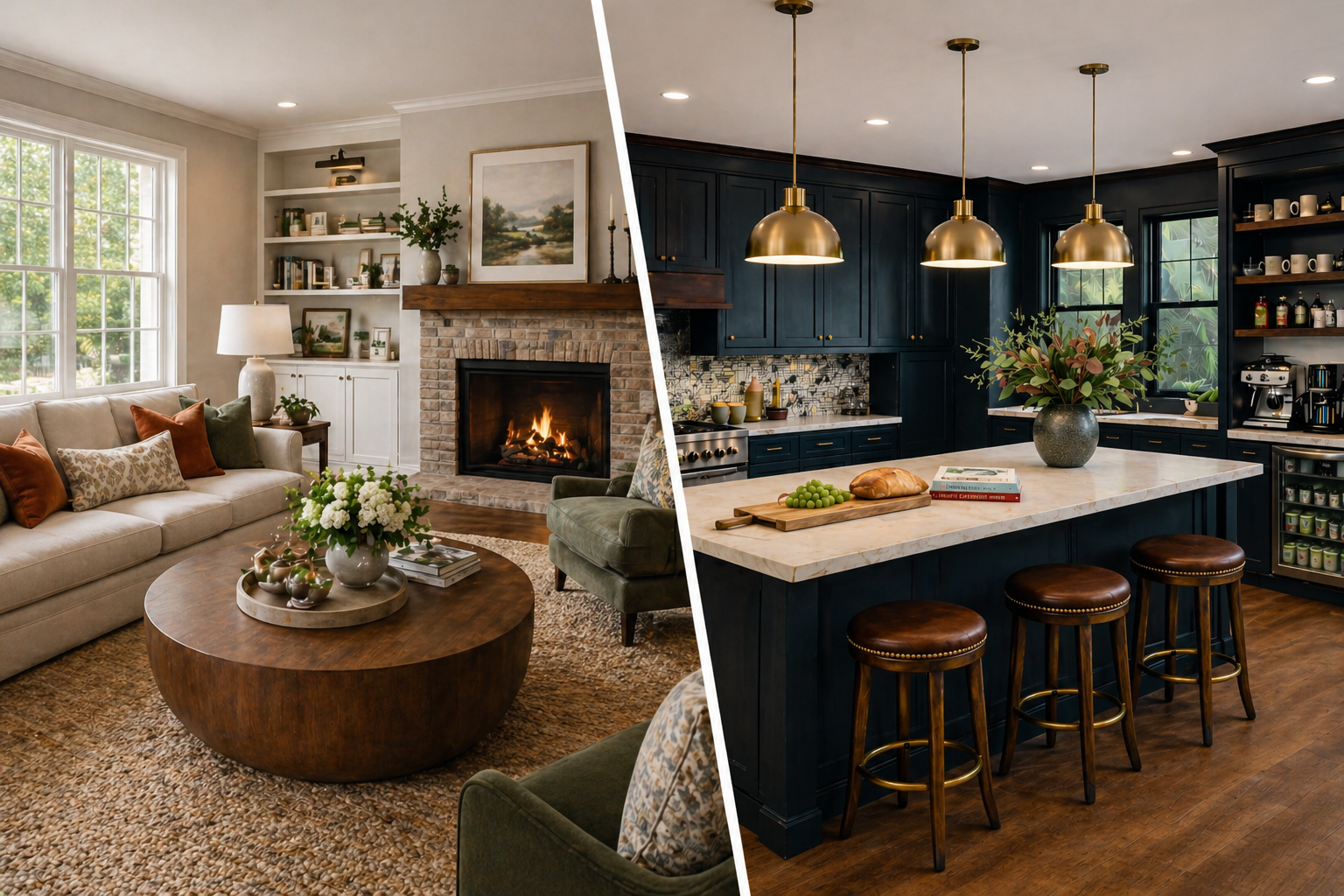
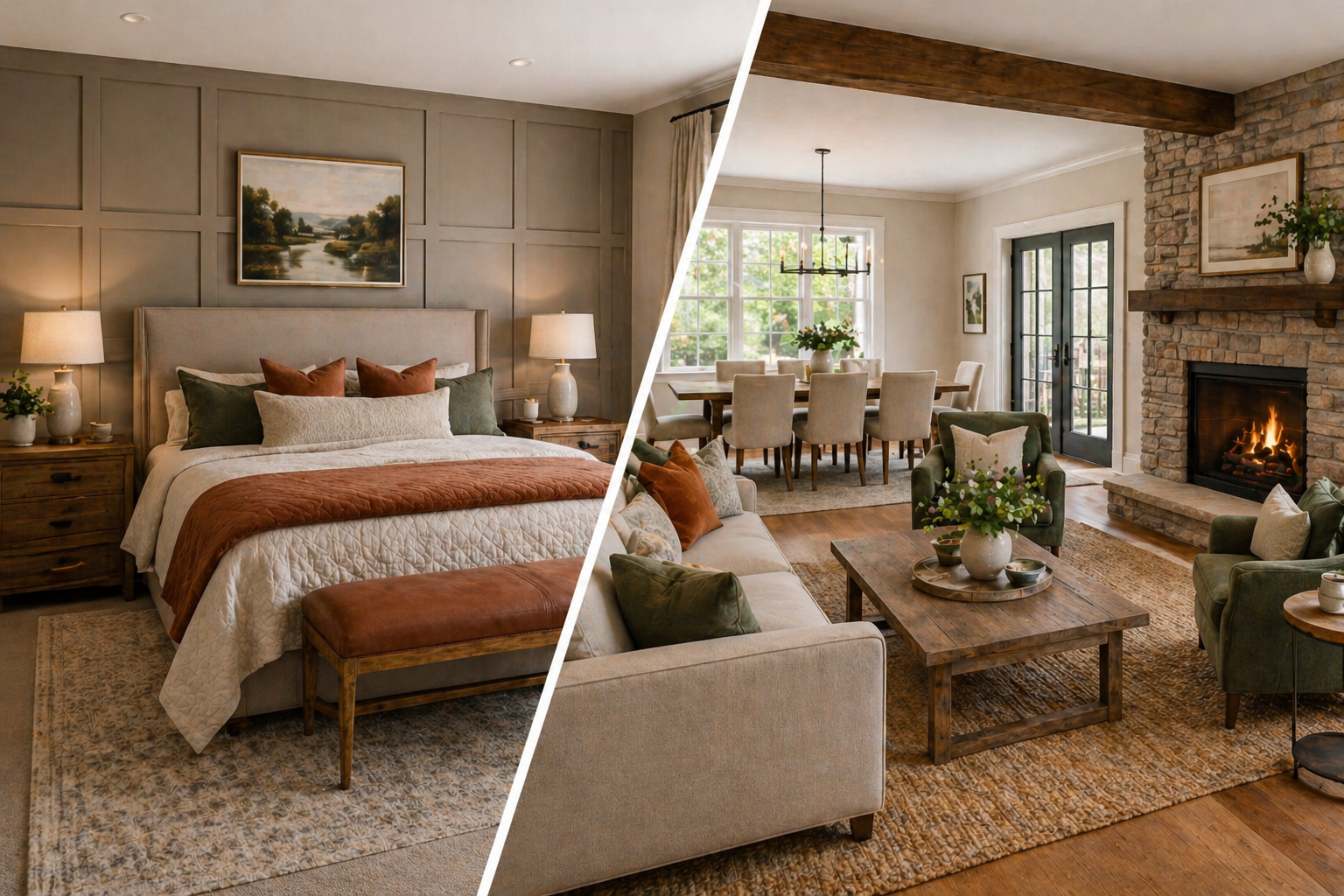
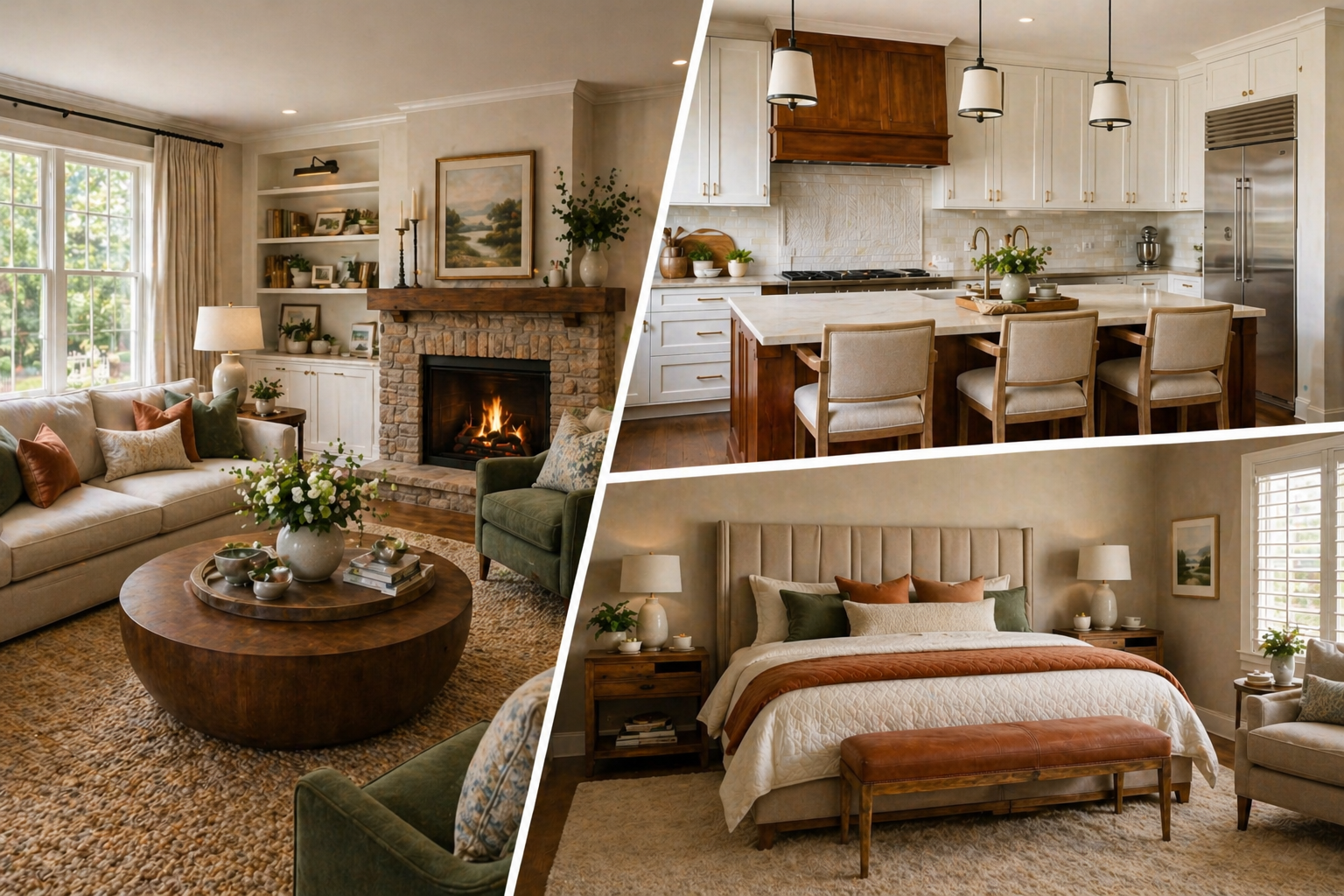
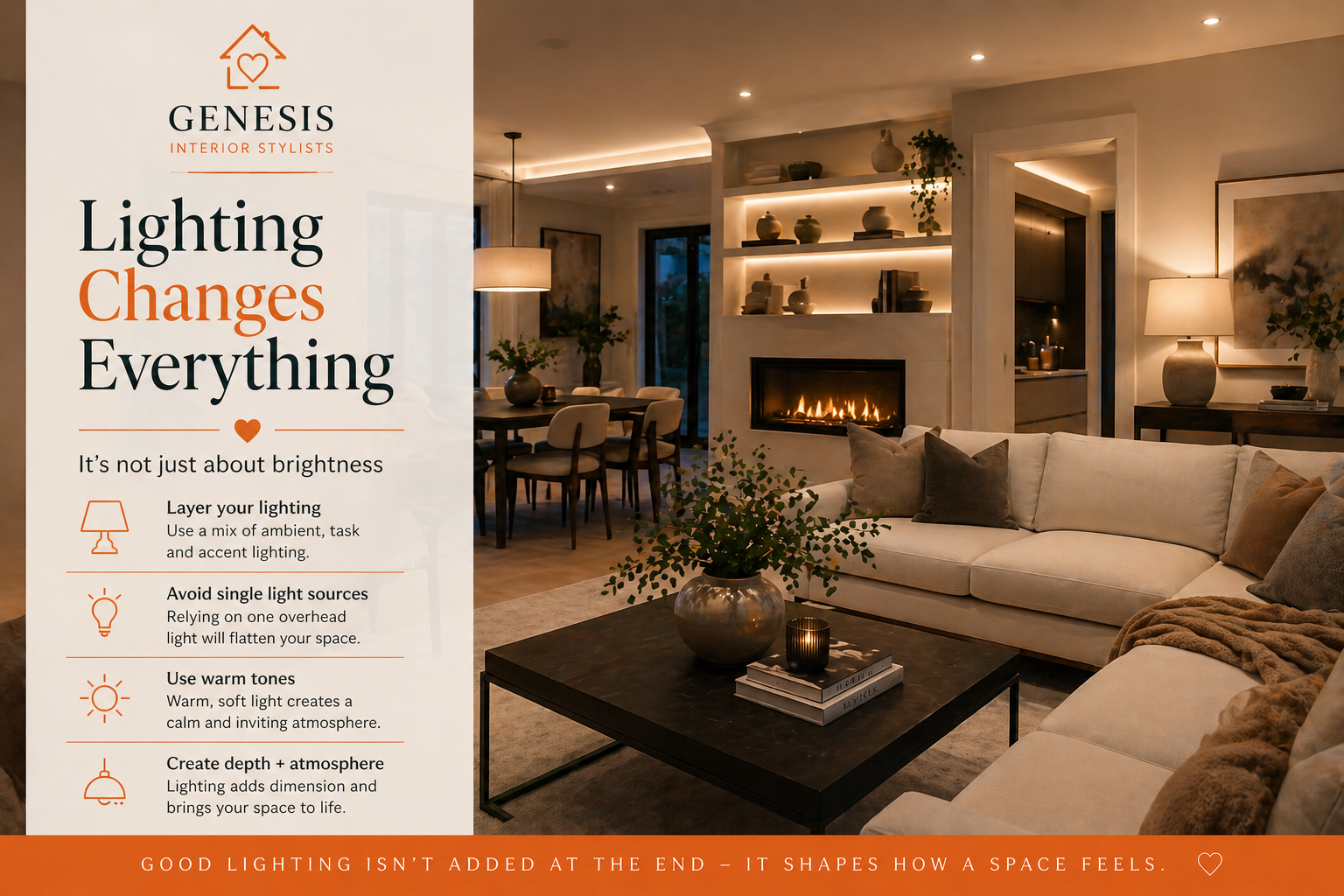
What tends to work better is a more layered approach. Light that comes from different sources, at different heights, with different purposes.
That’s where a space starts to feel considered.
The Role Lighting Plays in How a Room Feels
Lighting has a direct impact on atmosphere.
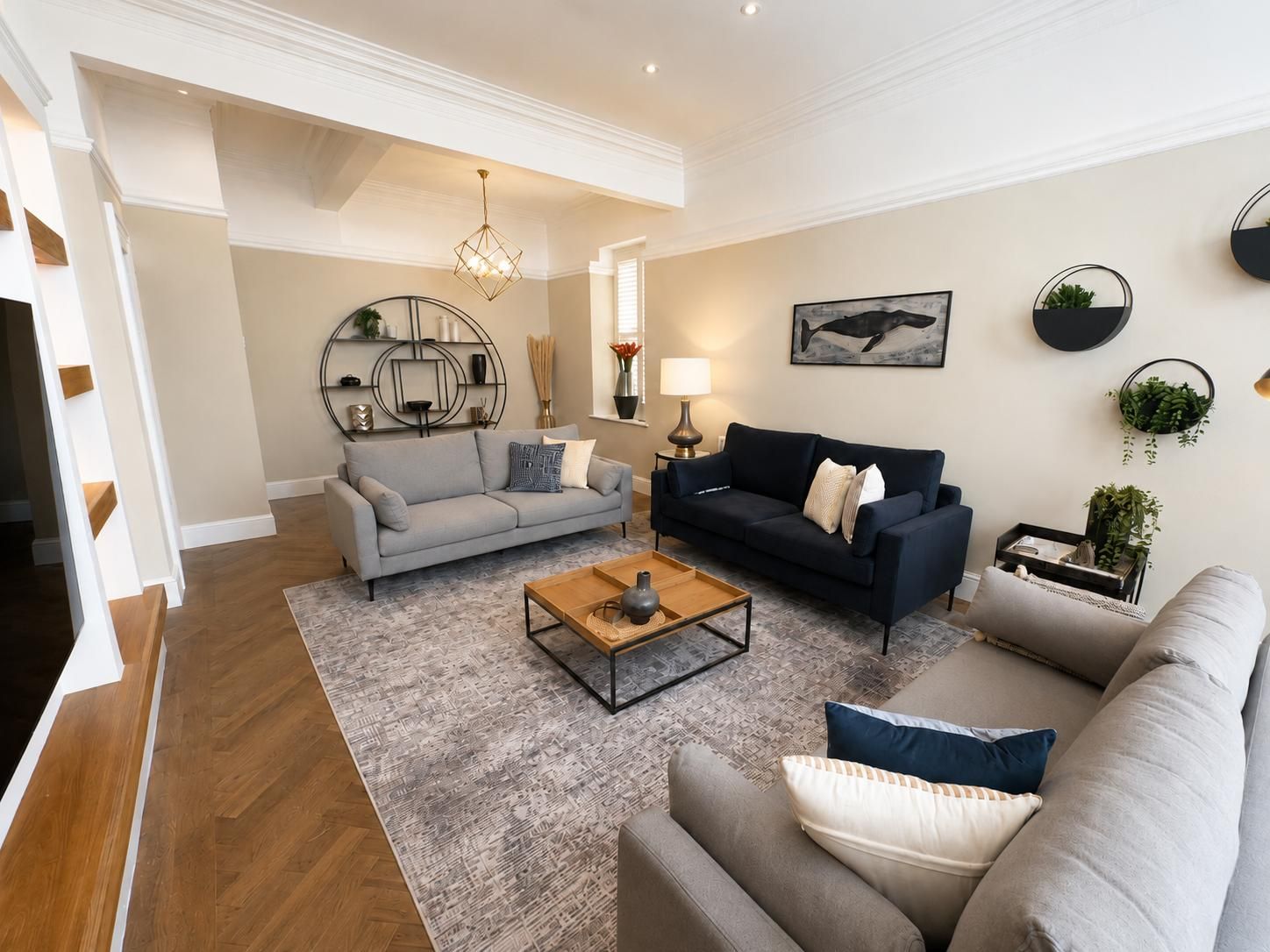
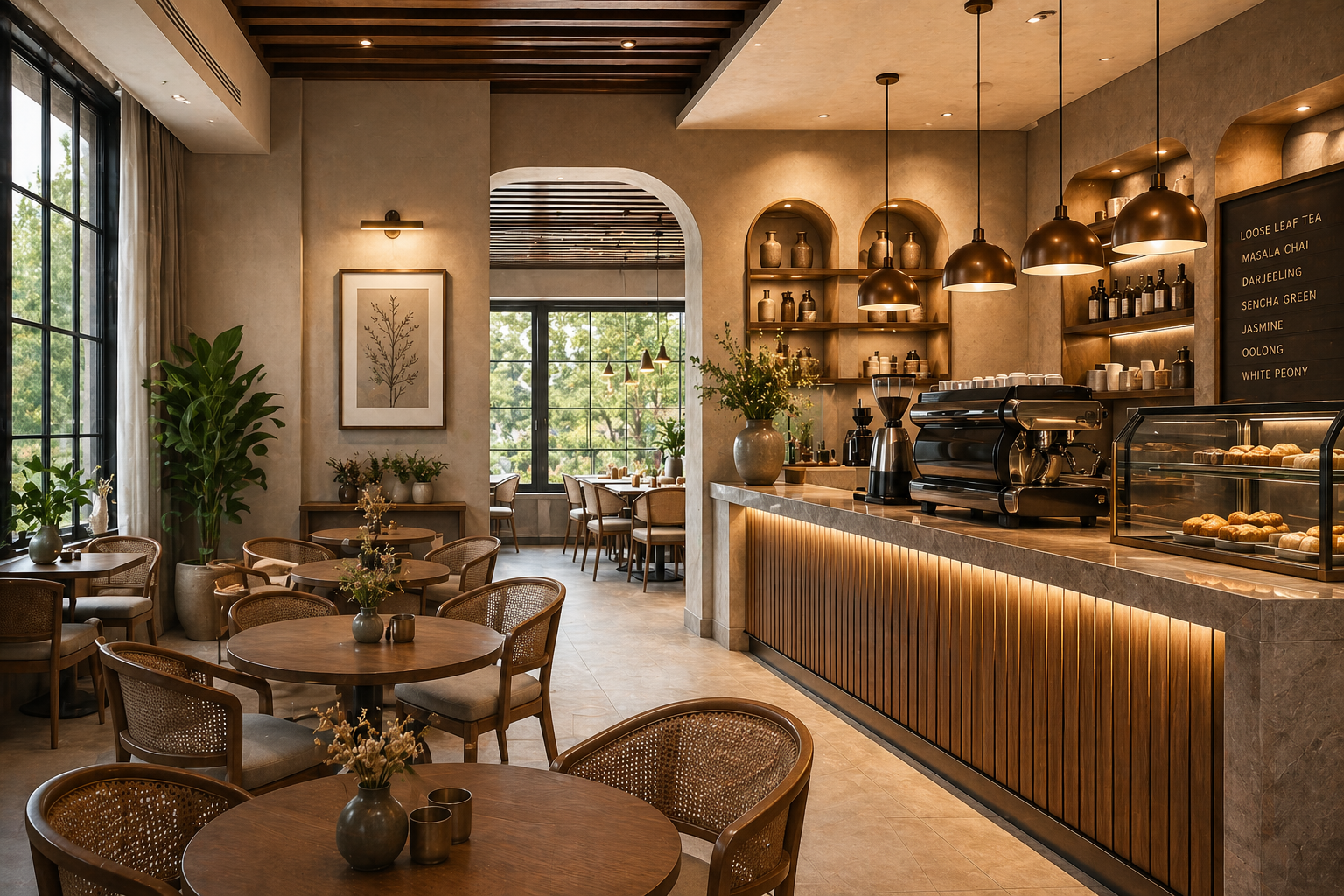
Soft, diffused light can make a space feel calm and relaxed. More directional lighting can highlight features or create focus. Warmer tones tend to feel more inviting, while cooler tones can feel sharper and more functional.
These shifts are subtle, but they change how a room is experienced.
And when they’re not considered, the space can feel slightly off—even if everything else is right.
Why Overhead Lighting Isn’t Enough
Ceiling lights are often treated as the main source of light in a room.
But on their own, they rarely do enough.
They tend to:
- Cast light evenly, without emphasis
- Create harsh shadows
- Leave corners feeling darker than expected
Which is why relying on them alone often results in a space that feels unfinished.
What Layered Lighting Actually Means
Layered lighting isn’t complicated—it’s just intentional.
It usually includes a combination of:
- Ambient lighting (overall light in the room)
- Task lighting (focused light for specific uses)
- Accent lighting (used to highlight or soften areas)
Individually, each one serves a purpose. Together, they create balance.
Small Changes That Make a Big Difference
The interesting thing about lighting is how little it sometimes takes to improve a space.
Adding a floor lamp in the right place. Introducing a table lamp to soften a corner. Adjusting bulb warmth.
These aren’t major changes—but they can completely shift how a room feels in the evening.
When Lighting Is Considered From the Start
The biggest difference tends to come when lighting is planned alongside everything else.
Not added afterwards.
That’s when you start to see:
- Better balance across the room
- More natural transitions between spaces
- A stronger sense of atmosphere
It becomes part of the design—not just something functional.
Final Thoughts
Lighting is often overlooked because it’s less visible than furniture or finishes.
But it plays just as important a role—if not more.
When it’s right, you don’t necessarily notice it.
You just notice that the space feels better.