How to Choose the Right Sofa for Your Living Room (Without Getting It Wrong)
Choosing a sofa? Learn how to pick the right size, style, and layout for your living room—without making costly mistakes.

Introduction
Buying a sofa should be simple.
But in reality, it’s one of the easiest things to get wrong.
It might look perfect in the showroom—but once it’s in your home, suddenly:
- It feels too big
- Or too small
- Or just… not quite right
And because it’s such a key piece, when it doesn’t work, the whole room feels off.
1. Start With Your Space (Not the Sofa)
Most people do this the wrong way round.
They find a sofa they like—and then try to make it fit.
Instead, start with:
- The size of your room
- How you want to use the space
- The layout you’re working with
The sofa should fit the room—not the other way around.
2. Get the Size Right (This Is Where Most Mistakes Happen)
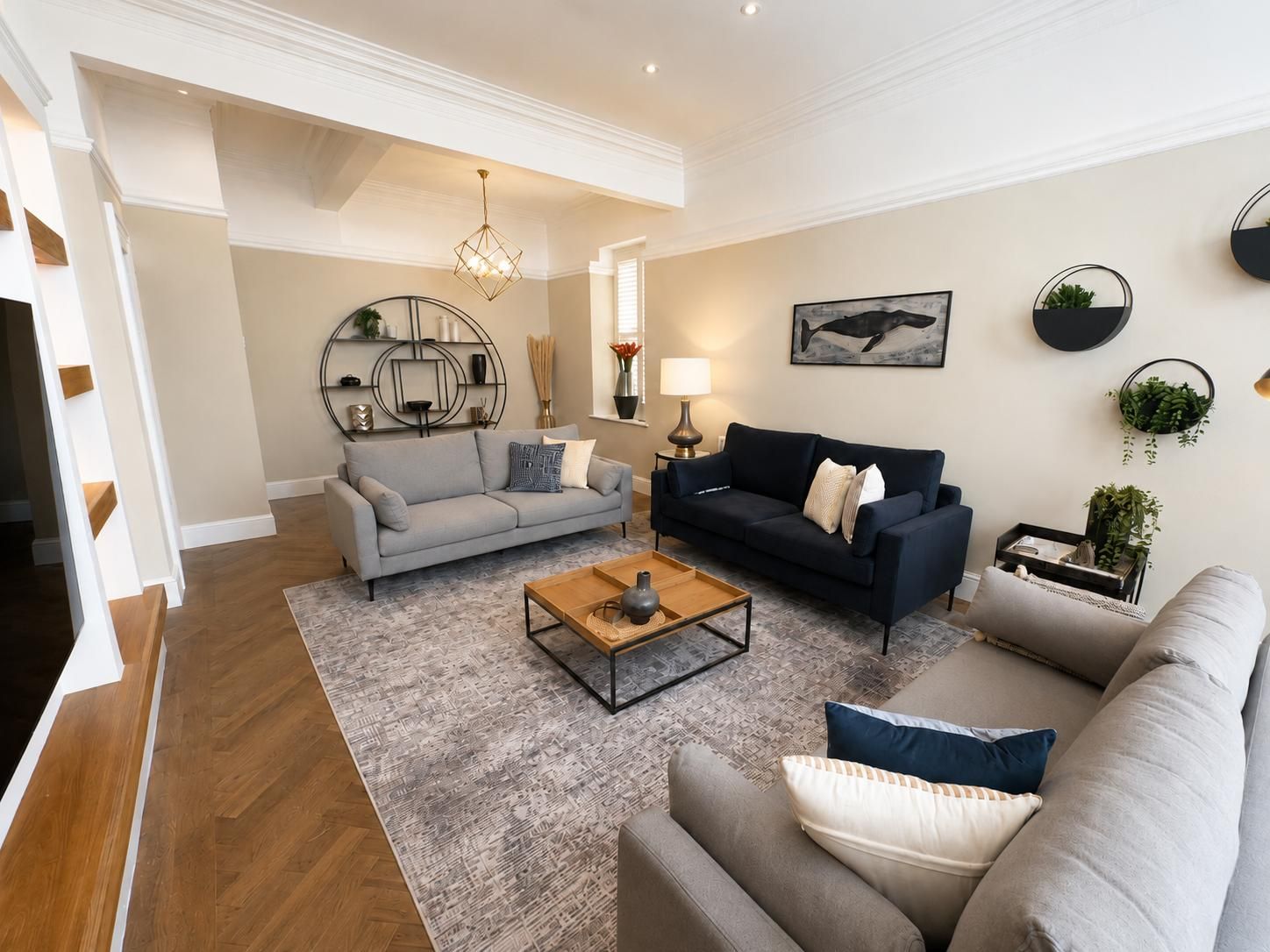
A sofa that’s too big will dominate the room.
Too small, and everything feels disconnected.
Things to consider:
- Leave enough space to walk around comfortably
- Avoid pushing everything against walls
- Make sure it works with other furniture
If you’re unsure, it’s usually better to go slightly smaller than too large.
3. Think About Layout, Not Just Placement
It’s not just where the sofa sits—it’s how it works within the room.
Ask yourself:
- Is there a clear focal point?
- Does the layout feel balanced?
- Can people move through the space easily?
A good layout makes the room feel natural—without you noticing why.
4. Choose the Right Shape
Different sofas suit different spaces.
For example:
- L-shaped sofas → great for open-plan or larger rooms
- 2–3 seaters → better for smaller or more flexible layouts
- Modular sofas → adaptable, but need careful planning
The wrong shape can disrupt the entire flow of the room.
5. Don’t Choose Based on Looks Alone
This is where most people go wrong.
A sofa might look great—but that doesn’t mean it will work in your space.
You also need to consider:
- Depth (too deep = awkward in smaller rooms)
- Height (affects how open the space feels)
- Arm width (bulkier than you think)
Small details make a big difference.
6. Consider Fabric and Practicality
It’s not just about aesthetics—it’s about how you live.
Think about:
- Durability
- Cleaning
- Wear over time
For example:
- Lighter fabrics = brighter space, but higher maintenance
- Darker tones = more forgiving, but can feel heavier
It’s about balance.
7. Colour: Safe or Statement?
This depends on your overall space.
Safer option:
- Neutral tones (easy to style around)
Statement option:
- Adds personality—but needs to be balanced properly
If the rest of your room is subtle, a statement sofa can work well.
8. Leave Room to Build Around It
Your sofa shouldn’t fill the room completely.
You still need space for:
- Side tables
- Lighting
- Movement
- Styling
A room always feels better when it has breathing space.
The Key Takeaway
Choosing the right sofa isn’t about finding the nicest one—it’s about finding the one that works best in your space.
Because when it’s right:
- The room feels balanced
- Everything else falls into place
- And the space finally feels “finished”
Final Thoughts
Most sofa mistakes aren’t obvious at first.
They only show up once everything is in place—and by then, it’s harder to fix.
That’s why getting it right from the start makes such a difference.