Why Some Homes Always Feel “Off” (And How to Fix It Properly)
Does your home feel off even after decorating? Discover the real reasons why—and how to fix it with expert interior design insight.

Introduction
You’ve bought the furniture. Chosen the colours. Added the finishing touches.
And yet… something still doesn’t feel right.
It’s one of the most common frustrations homeowners have—and it’s surprisingly hard to pinpoint why.
Because most of the time, it’s not one obvious issue.
It’s a combination of small decisions that don’t quite come together the way they should.
It’s Rarely About the Individual Pieces
A lot of people assume the problem is what they’ve bought.
But in reality, even good pieces can feel wrong if they’re not working together.
You might have:
- A great sofa
- Nice lighting
- Well-chosen accessories
But if the layout, scale, or balance is off, the space won’t feel finished.
The Real Reasons a Home Feels “Off”
1. The Layout Doesn’t Work
This is usually the biggest one.
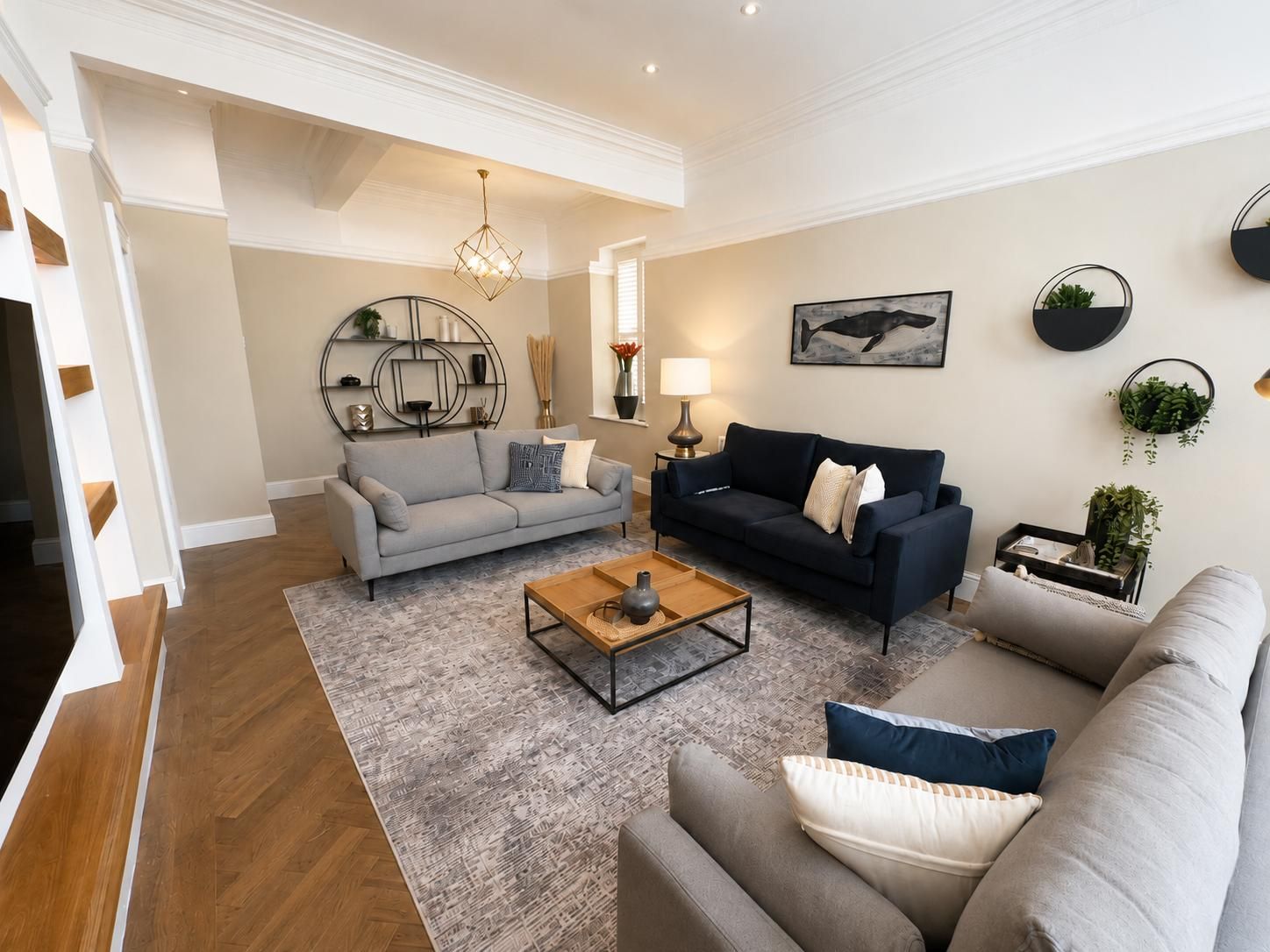
If furniture isn’t positioned properly, the room can feel awkward—even if everything in it looks good individually.
Common signs:
- The space feels cramped or disconnected
- There’s no clear focal point
- Movement through the room feels unnatural
2. The Scale Is Slightly Wrong
Even small misjudgements in size can throw everything off.
- Rugs that are too small
- Coffee tables that feel undersized
- Sofas that overwhelm the room
It doesn’t have to be dramatically wrong—just slightly off is enough.
3. There’s No Cohesion
When colours, finishes, and styles don’t quite relate to each other, the space can feel disjointed.
This often happens when things are bought gradually without a clear plan.
You end up with:
- Pieces that don’t quite connect
- Too many competing elements
- No consistent direction
4. Lighting Isn’t Doing Its Job
Lighting is one of the biggest factors in how a space feels—and one of the most overlooked.
Relying on a single overhead light can make a room feel flat and unfinished.
Without layered lighting, even well-designed spaces can fall short.
5. Everything Feels a Bit Too “Safe”
Ironically, trying not to get it wrong can sometimes lead to a space that feels… a bit lifeless.
When everything matches too closely or stays too neutral, there’s no depth or interest.
It’s subtle—but you notice it.
Why It’s So Hard to Fix on Your Own
This is where most people get stuck.
Because when something feels “off,” it’s rarely obvious what needs to change.
So what happens?
- You try adding more things
- You swap pieces in and out
- You spend more, hoping it will fix it
But without a clear plan, it usually just creates more confusion.
What Actually Makes a Space Feel Right
When a room works, it’s not by accident.
There’s usually a clear structure behind it:
- A layout that makes sense
- Furniture that fits properly
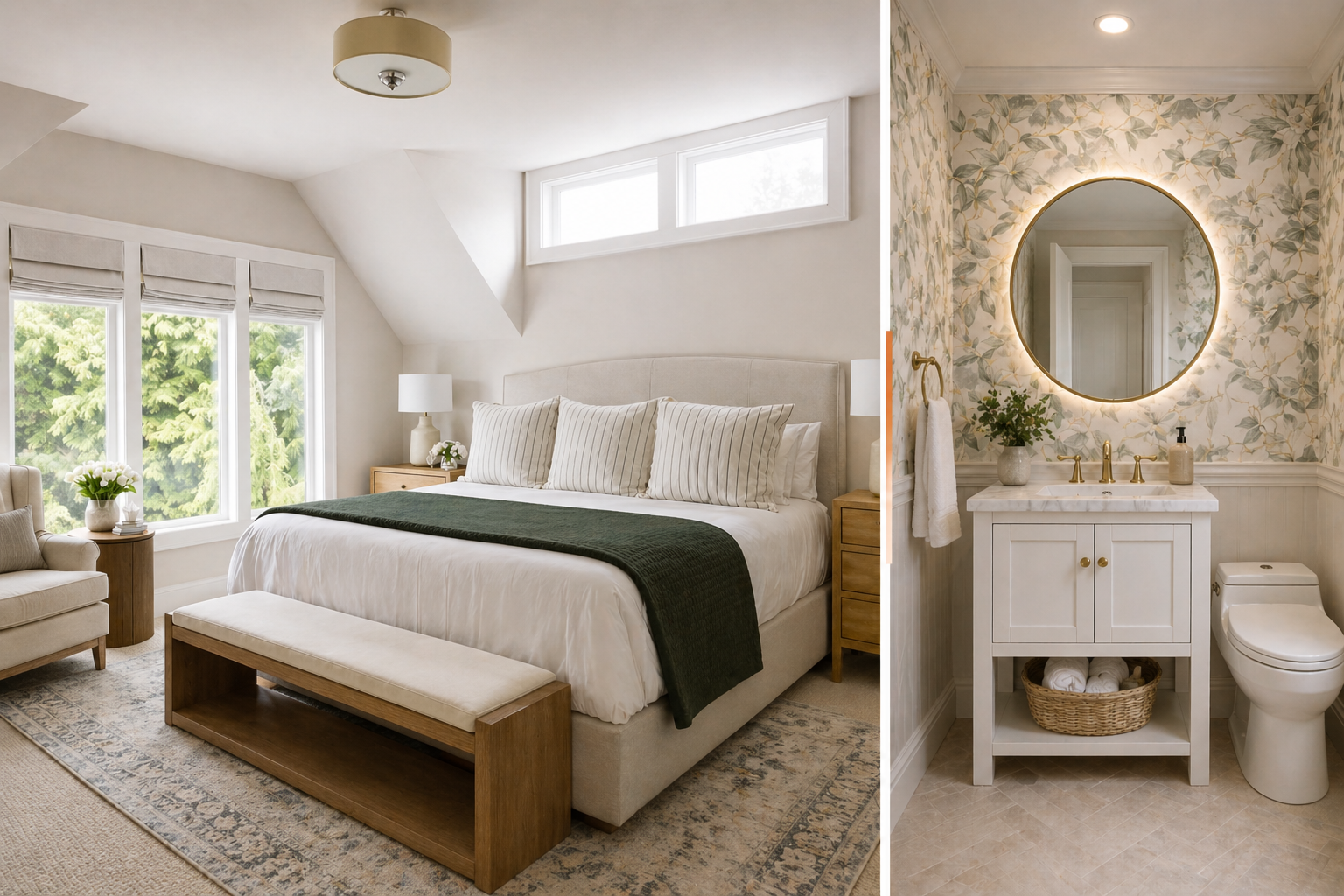
- A consistent colour and material palette
- Lighting that adds warmth and depth
Everything feels connected—and that’s what creates that “finished” feeling.
The Difference a Professional Eye Makes
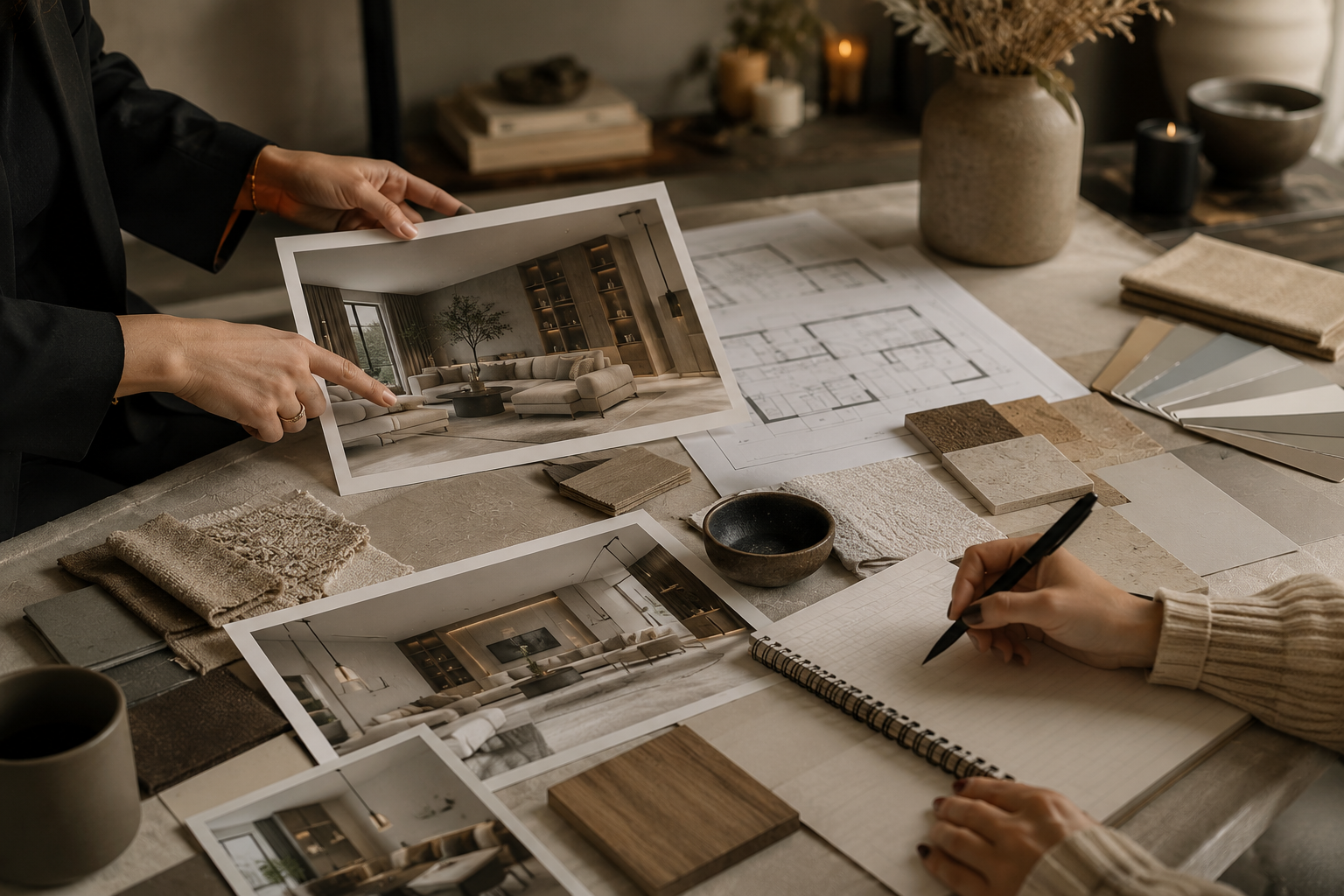
Sometimes, the solution isn’t more effort—it’s a different perspective.
A trained eye can quickly spot:
- What’s not working
- What can be improved
- What should stay
And often, the changes needed are smaller than people expect.
It’s not always about starting again—it’s about refining what’s already there.
Final Thoughts
If your home doesn’t feel quite right, it’s not because you’ve done everything wrong.
It’s usually because a few key elements aren’t working together the way they should.
And once those are addressed, the difference can be significant.