Finding Your Interior Style When You Like a Bit of Everything
You love a calm, neutral room. Then you save a colourful kitchen. There is an old chair you would never part with, and a very modern light you cannot stop thinking about. That does not mean you have bad taste. It means a style label may not be the best starting point.
Choose the feeling before the name
Instead of deciding whether you are “modern country” or “contemporary classic”, choose three ordinary words that describe how you want the room to feel. Comfortable, warm and characterful? Airy, quiet and uncluttered? Sociable, colourful and relaxed?
Then give each word a practical meaning. If “relaxed” matters, is that a comfortable seat, soft evening light or somewhere to put everyday things away? The words become useful when they guide choices, rather than sit at the top of a moodboard.
Keep fewer references and explain each one
Pick a small set of images you would genuinely want to live with. Under each, write one thing you like and one thing you would change. You may admire the timber and curtains without liking the sofa. Separating those details helps stop a whole photograph being mistaken for your brief.
Look for repeats. Perhaps you keep choosing textured fabrics, rounded furniture or a particular balance of light and dark. Those recurring preferences are more helpful than collecting another hundred pictures.
Give the pieces you love a proper place in the conversation
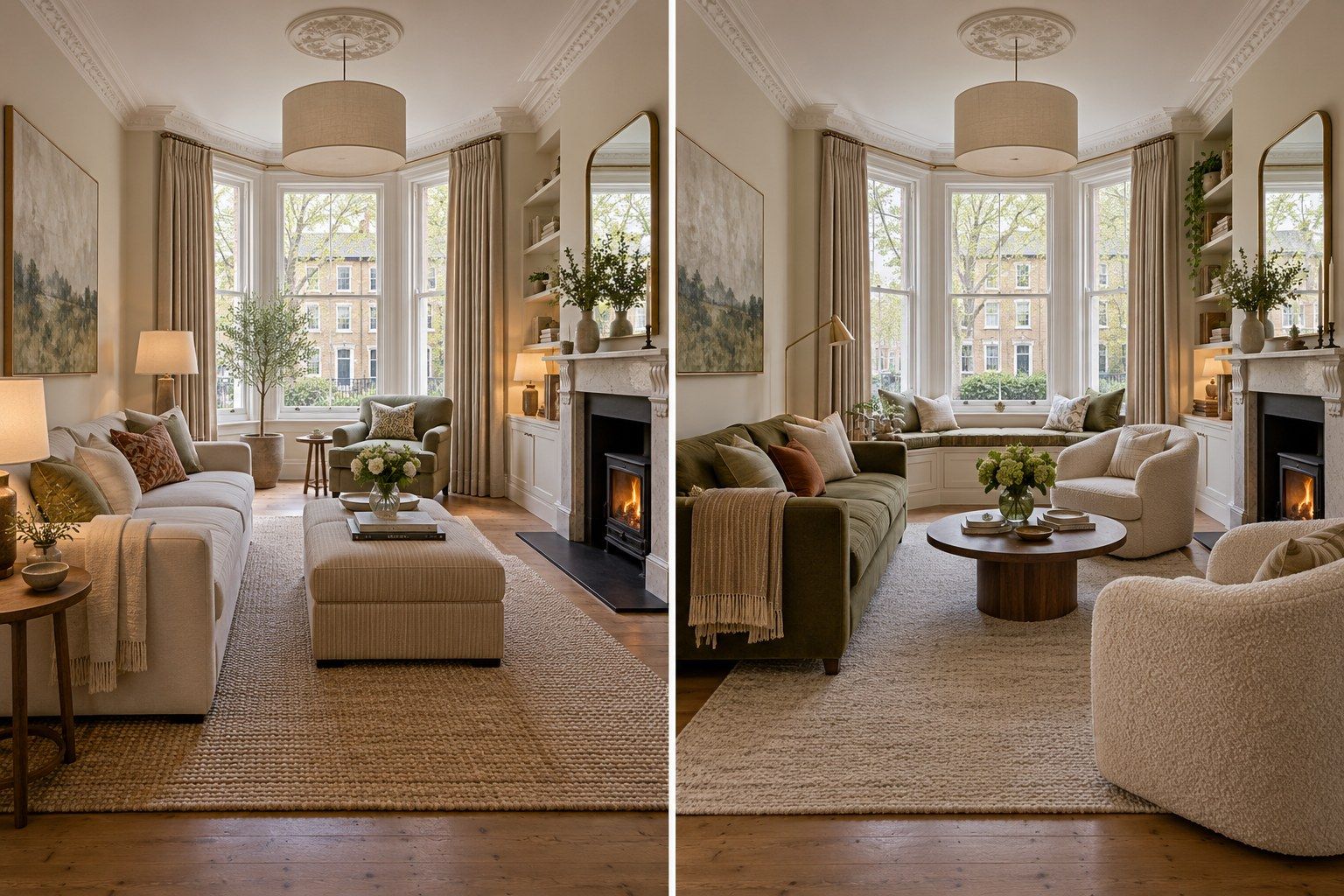
A home does not need to look as though every item arrived together. An inherited cabinet, artwork or well-loved chair can provide a starting point. Think about its shape, material and colour, then look for relationships with the new choices.
That is not the same as making everything match. A repeated timber tone or a similar level of visual weight may connect different pieces. Our guide to materials and finishes explores how choices can relate without becoming identical.
Test a small collection together
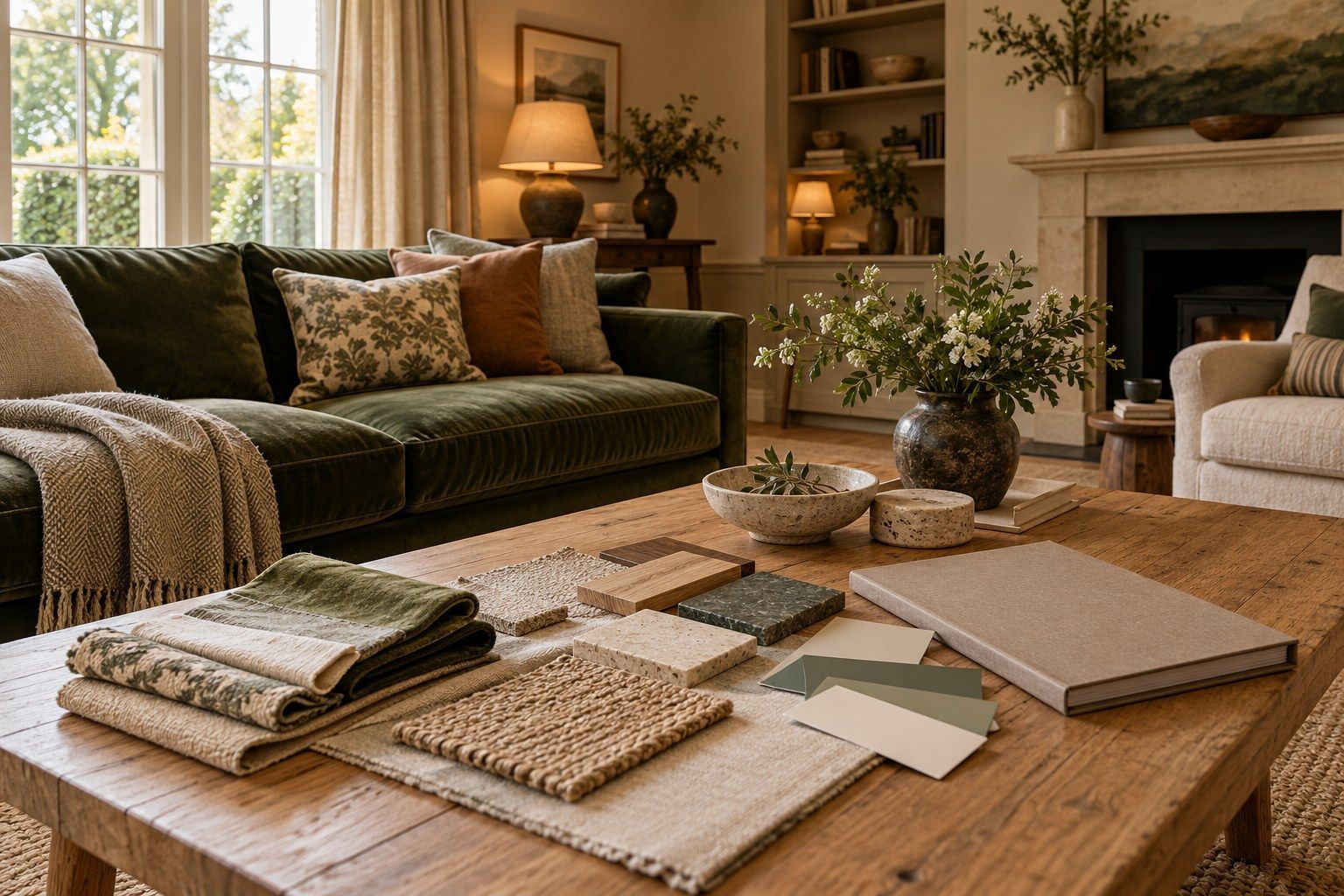
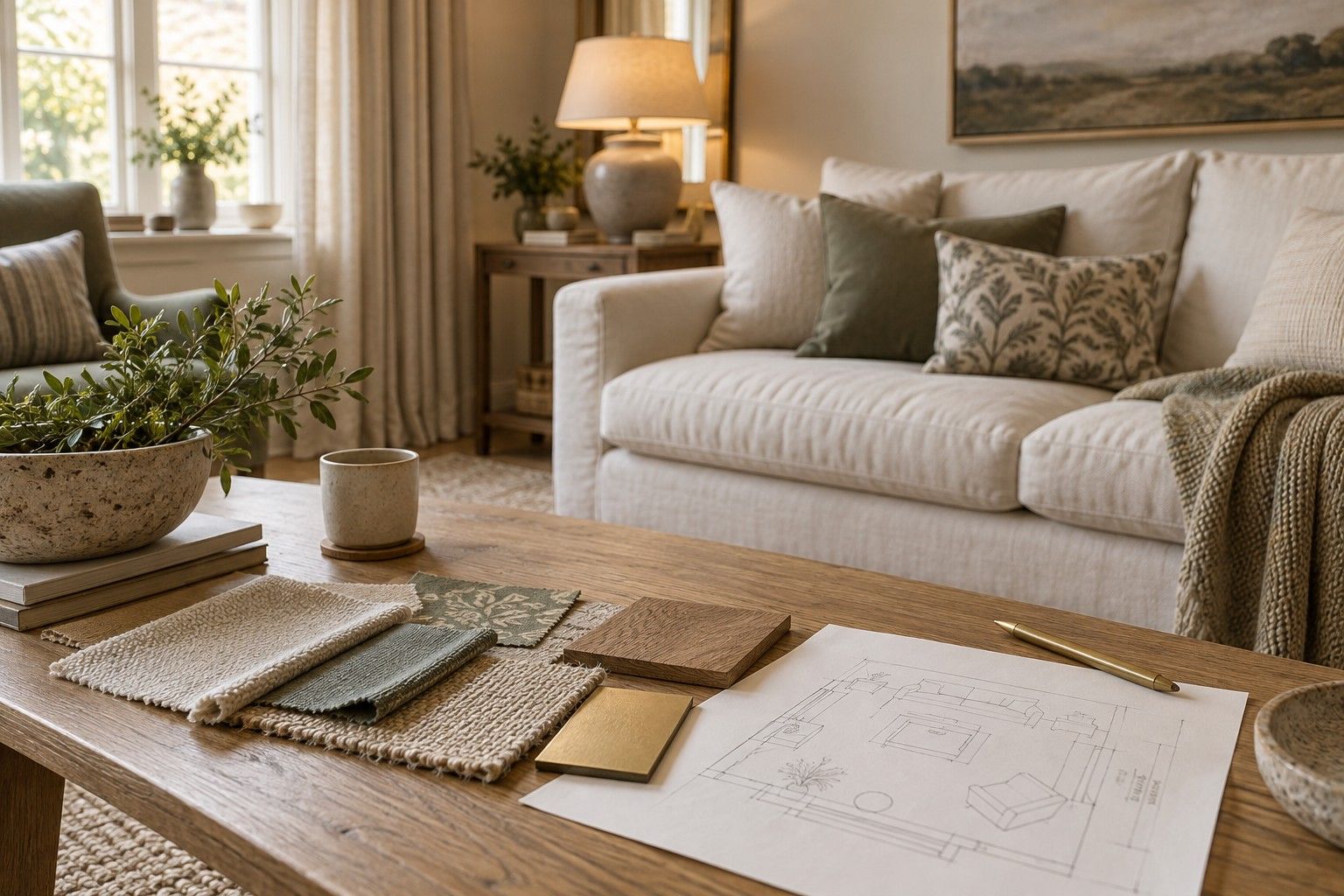
Put the main fabric, paint and material samples beside one another in the actual room. Look in daylight and under the lighting you use in the evening. Include a photograph or sample representing the furniture you are keeping.
Ask what is missing or competing. If everything is smooth and pale, you may want more texture. If each item demands attention, you may need quieter supporting pieces. This is a way to compare, not a formula that every home must follow.
If you share the home, find the overlap
Each person can choose a few references and explain the specific details they like. “That room feels too cold” is easier to work with when you can say whether you mean its colour, shiny surfaces or lack of soft furnishings.
Agree the non-negotiables separately from the preferences. A comfortable reading chair or useful storage may matter more than choosing the same cushion colour. Our guide to the design and feedback process explains how a direction can develop through clear discussion.
Check the direction against your everyday life
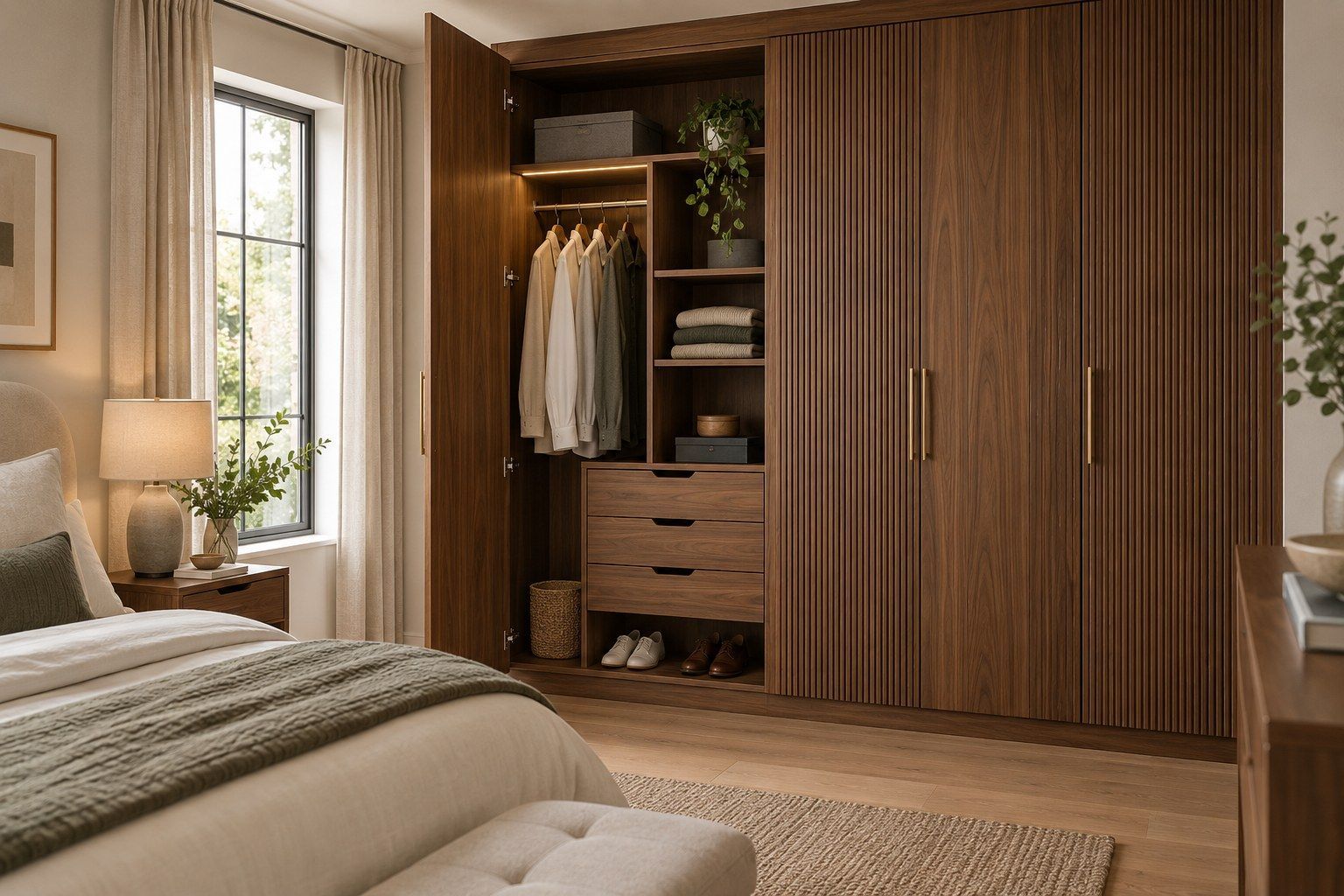
Imagine a normal Tuesday evening in the room, not just the moment it is photographed. Where do you sit? What needs to be within reach? How much care will the materials need? A scheme you enjoy looking at still needs to suit the way you use it.
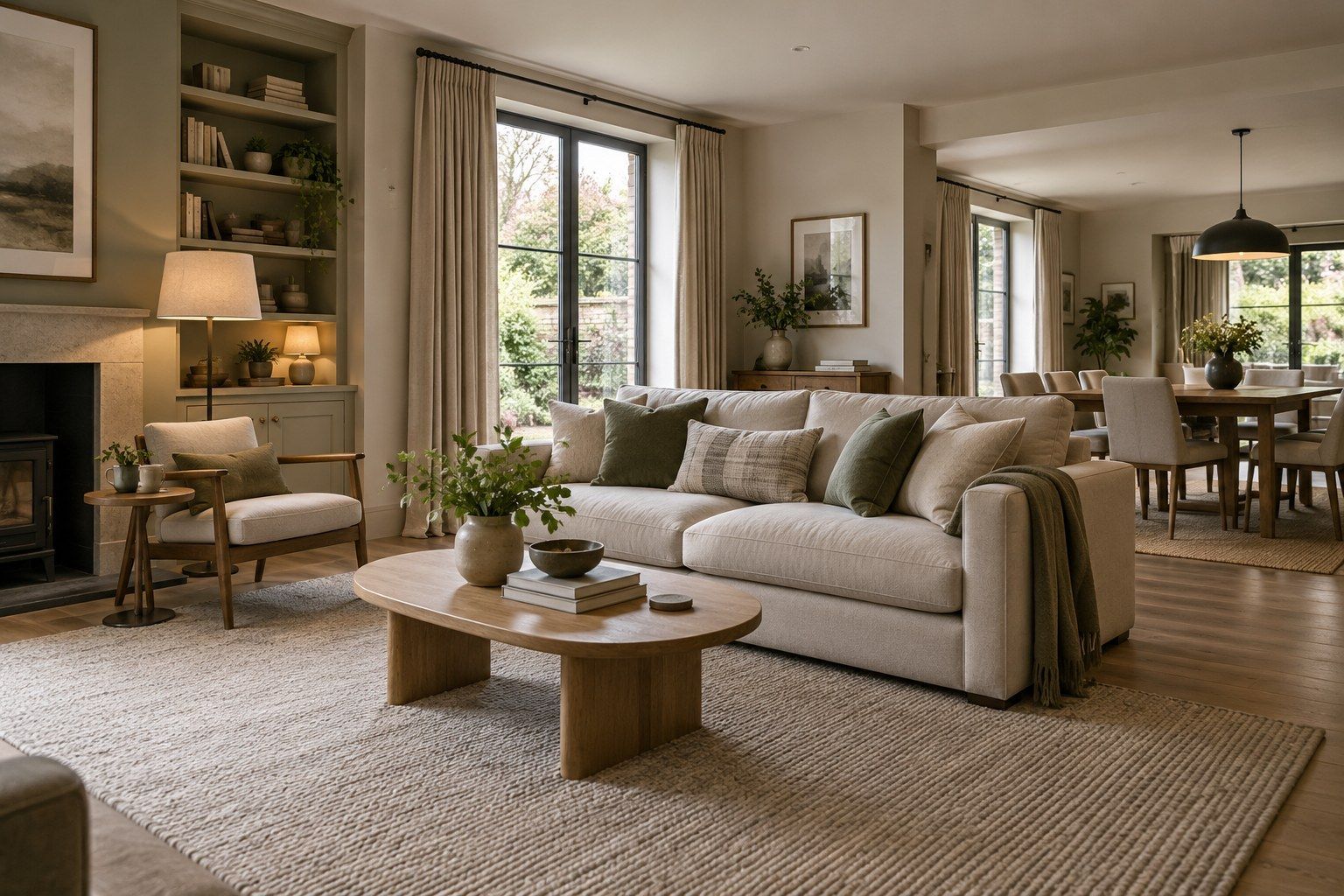
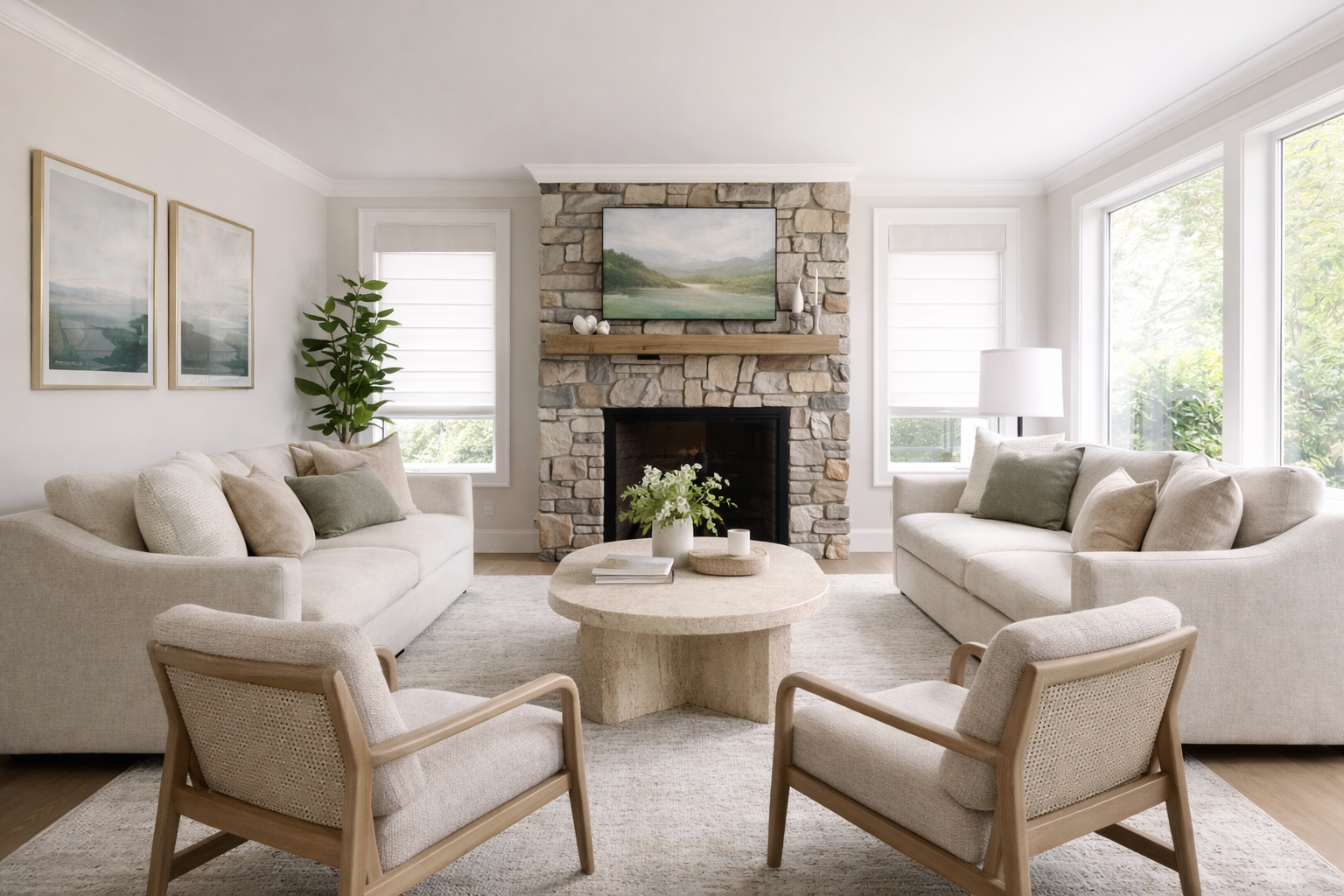
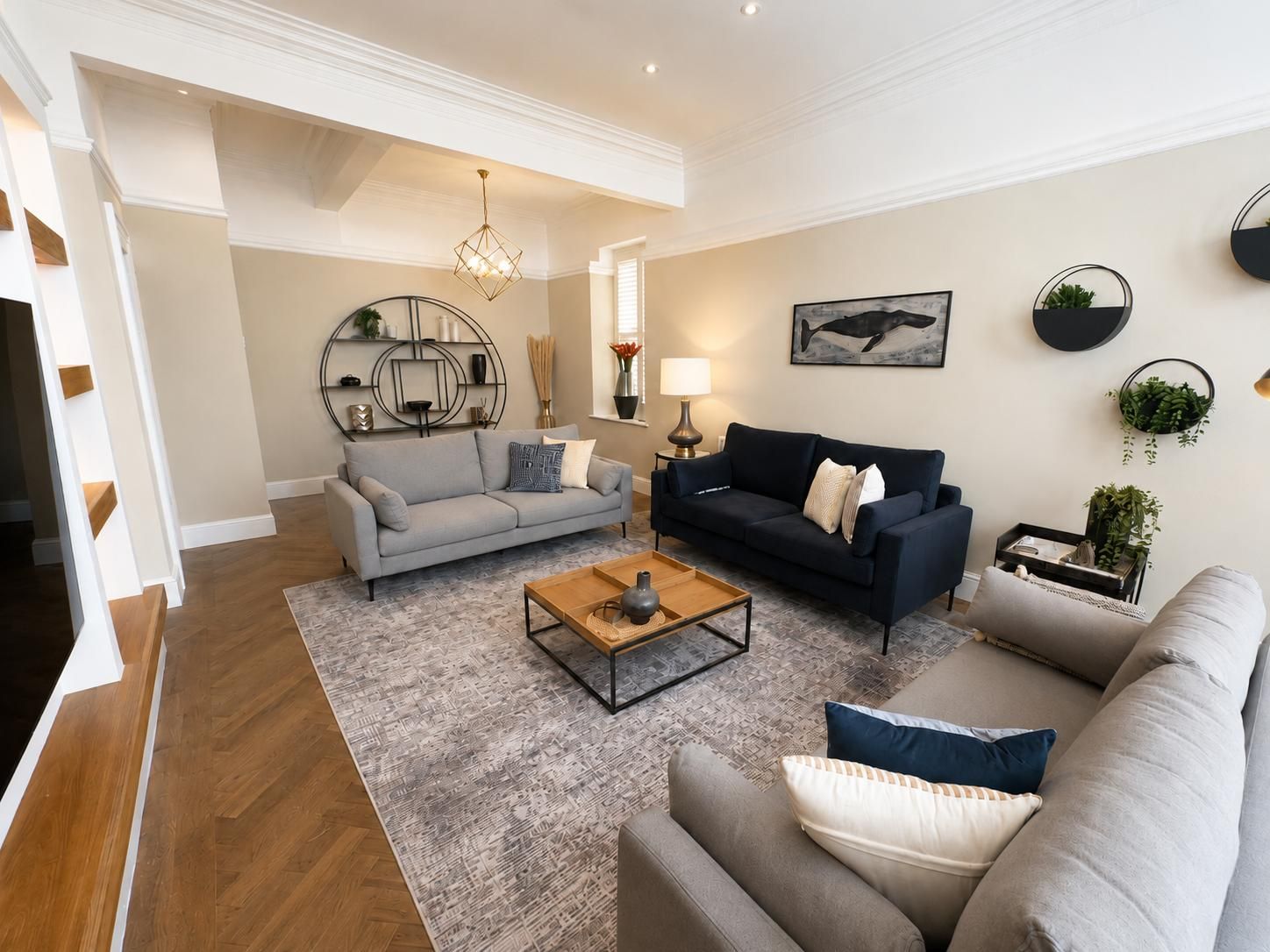
You can see different approaches in The Rydings family-home interiors and Morley Apartment interiors. They are references for the range of possibilities, not templates to copy into your home.
You do not need to arrive with a finished style
At Genesis, the starting point can be the things you like and the things that are not working. Chris and Jenny can help you turn those into a clearer direction, with the design work and furnishing support agreed around your project.
If you would like a home that feels more connected without losing its personality, talk to Chris and Jenny about your home. We work with homeowners in Blackburn and across Lancashire, starting with a complimentary phone or video conversation.
Questions you might have
Can I mix traditional and contemporary furniture?
Yes. Consider the pieces together: proportions, colour, material and the space around them matter more than giving everything the same style label.
What if I cannot explain what I like?
Bring examples and describe individual details. Knowing what you dislike or how you want the room to feel is also useful.
Should every room have the same style?
Not necessarily. Shared materials, colours or proportions can provide continuity while different rooms have their own character and purpose.
Prefer to call? Speak to Chris on 07450 260777.